


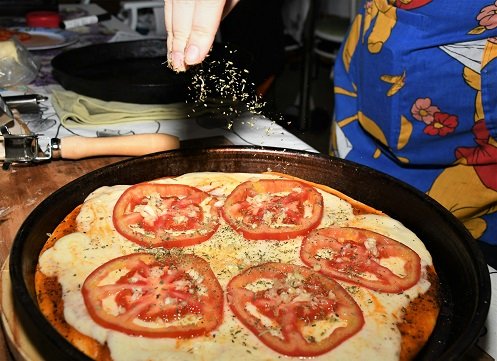
Introduction to Homemade Pizza
Homemade pizza has gained immense popularity among food enthusiasts for its versatility and the joy it brings to cooking. As a coveted dish across various cultures, pizza is not only a favorite in restaurants but also a delightful option to prepare at home. The art of making pizza allows individuals to explore their culinary creativity and enjoy the satisfaction of crafting a meal tailored to their tastes. The process of creating homemade pizza begins with selecting a base, typically made from flour, yeast, water, and salt, which forms the crust. This can be further customized to suit dietary preferences, with options ranging from traditional wheat flour to gluten-free alternatives. Once the foundation is established, the possibilities for toppings are nearly limitless. From classic combinations like tomato sauce, mozzarella cheese, and pepperoni to gourmet choices featuring fresh vegetables, fine cheeses, and assorted meats, each homemade pizza can reflect personal styles and preferences.
One of the most rewarding aspects of making pizza at home is the opportunity to engage family and friends in the process. Pizza-making can be a communal activity, with each participant given the chance to choose their favorite toppings and share ideas for unique flavor combinations. This interactive experience can enhance the enjoyment of the meal and create lasting memories. Furthermore, preparing pizza at home often encourages the use of fresh, high-quality ingredients, which can elevate the dining experience.
As we delve deeper into various homemade pizza recipes, it is essential to recognize the fundamental ingredients involved, such as the dough, sauce, and toppings. Understanding these components will ensure a successful and delicious outcome, paving the way for an exciting culinary adventure in your kitchen. Homemade pizza not only satisfies hunger but also nurtures a passion for cooking and exploration in flavors.
Essential Ingredients for Pizza Dough
Creating homemade pizza starts with a well-prepared pizza dough, which hinges on several key ingredients. Understanding the purpose and selection of each component not only simplifies the process but also enhances the overall quality of the final product.
The primary ingredient for pizza dough is flour. The type of flour you choose has a significant impact on the texture and flavor of the crust. All-purpose flour is often recommended for beginners due to its balance of protein content, but for a more authentic Neapolitan-style crust, consider using high-protein bread flour or even Tipo 00 flour, which is specially milled for pizza making. The higher gluten content in bread flour can yield a chewier crust, while Tipo 00 flour provides a tender, airy texture ideal for classic pizzas.
Yeast is another crucial ingredient, as it is responsible for fermentation and dough rise. While active dry yeast and instant yeast are common choices, beginners may find instant yeast easier to work with since it does not require proofing. For those looking to experiment further, sourdough starter can impart a unique flavor and character to the dough.
Water plays a vital role in binding the flour and activating the yeast. The temperature of the water is important; lukewarm water (around 100°F/38°C) is ideal for activating the yeast without killing it. Using filtered or bottled water can also improve the dough’s flavor.
Salt is essential for enhancing the flavor of the dough, but it must be used judiciously as too much salt can inhibit yeast activity. Typically, around 2% of the flour’s weight is a good starting point. Additionally, optional ingredients like olive oil or sugar can enhance the dough’s elasticity and flavor. Olive oil adds richness, while a small amount of sugar can help to brown the crust beautifully in the oven.
When selecting ingredients, beginners should opt for fresh, high-quality components, as they greatly influence the success of the pizza dough. Many local supermarkets offer a variety of flour types and yeast options, making them accessible for aspiring pizza makers. Armed with the right ingredients, anyone can create a delicious pizza dough from scratch.
Step-by-Step Guide to Making Pizza Dough
Making pizza dough from scratch is an essential skill for any aspiring home chef. This beginner-friendly guide will take you through the steps of mixing, kneading, proofing, and rolling out the dough to help you achieve a delicious homemade pizza.
To start, gather the necessary ingredients: flour, yeast, water, salt, and a bit of olive oil. Begin by activating the yeast, which is crucial for achieving a light and airy texture. Mix warm water (about 110°F) with the yeast in a bowl and allow it to sit for approximately 5-10 minutes until it becomes frothy.
Once activated, combine the yeast mixture with flour and salt in a large mixing bowl. You may also add olive oil at this stage for added flavor. Stir the mixture until it begins to form a cohesive dough. For best results, use a mixture of all-purpose flour and bread flour to achieve the right texture.
Now it’s time to knead the dough, which develops the gluten and creates a chewy texture. Transfer the dough to a lightly floured surface and knead for about 8-10 minutes. The dough should become smooth and elastic. If it feels too sticky, sprinkle a little more flour while kneading, but be cautious not to add too much, as this can lead to a tough dough.
Once you have achieved the right consistency, shape the dough into a ball and place it in a lightly oiled bowl. Cover the bowl with a clean cloth or plastic wrap to retain warmth. Allow the dough to proof in a warm environment for about 1 to 2 hours or until it has doubled in size. This step is essential for ensuring the dough rises properly.
After proofing, gently punch down the dough to release any trapped air. Transfer it back to your floured surface and roll it out to your desired thickness. A thinner crust will yield a crisper pizza, whereas a thicker crust will be soft and chewy. Now your homemade pizza dough is ready for toppings!
Basic Tomato Sauce for Pizza
A good pizza starts with a flavorful sauce, and a simple homemade tomato sauce can elevate your pizza experience significantly. This recipe focuses on the essential ingredients and straightforward steps to create a rich and delicious sauce that serves as the perfect base for various pizza toppings.
The primary ingredient in our sauce is ripe tomatoes, which provide the foundation of flavor. Fresh tomatoes are ideal, but if they are not available, canned tomatoes can serve as a convenient substitute. Additionally, you will need fresh garlic, which adds a robust flavor and aroma. Garlic should be minced finely to integrate smoothly into the sauce.
Another key ingredient is dried oregano, a herb that compliments tomatoes perfectly and is a staple in Italian cooking. Adding a pinch of salt enhances the natural flavors of the tomatoes and balances the overall taste of the sauce. Lastly, high-quality extra virgin olive oil not only enriches the sauce with its flavor but also helps in achieving the desired consistency.
To prepare the homemade tomato sauce, begin by heating a tablespoon of olive oil in a saucepan over medium heat. Add the minced garlic and sauté it for about a minute until it becomes fragrant but not browned. This step is crucial as burnt garlic can impart an unpleasant bitterness to your sauce.
Next, add the chopped or crushed tomatoes to the saucepan, stir them to combine with the garlic and oil. Bring the mixture to a gentle simmer and allow it to cook for around 20-30 minutes. During this cooking time, the sauce will thicken and the flavors will meld beautifully. Remember to stir occasionally to prevent sticking.
As the sauce cooks, sprinkle in the oregano and salt, adjusting to taste as necessary. The final step involves allowing the sauce to cool before spreading it over your prepared pizza dough. This basic tomato sauce recipe is not only easy to make but also versatile, enabling you to customize it according to your preferences. With this simple base, you can create delicious pizzas that rival those from your favorite pizzeria.
Classic Margherita Pizza Recipe
The classic Margherita pizza is a staple in Italian cuisine, renowned for its simple yet flavorful ingredients. This recipe is ideal for beginners wishing to craft a delicious homemade pizza. The key components include fresh mozzarella, basil, and a homemade tomato sauce, ensuring a fresh taste that highlights the pizza’s foundational elements.
To begin, prepare the pizza dough. You will need flour, water, yeast, and salt. Mix the ingredients in a bowl until a dough forms, then knead it on a floured surface for about 10 minutes until it’s smooth and elastic. Let the dough rise in a warm place, covered with a cloth, for about an hour or until it doubles in size.
While the dough rises, you can make the simple tomato sauce. Use ripe tomatoes, preferably San Marzano for authentic flavor. Cook the tomatoes in a saucepan with a bit of olive oil, garlic, salt, and a touch of sugar. Simmer for 15 to 20 minutes until the sauce thickens. Blend the sauce if you prefer a smoother texture, and set it aside to cool.
Once the dough has risen, preheat your oven to the highest setting, ideally around 475°F (245°C), and place a pizza stone inside to heat up. Roll out the dough on a floured surface until it reaches your desired thickness. Transfer it to a piece of parchment paper for easy handling. Spread a thin layer of the homemade tomato sauce over the surface of the dough, leaving a small border for the crust.
Next, tear fresh mozzarella into small pieces and distribute them evenly over the sauce. The quality of the mozzarella will significantly affect the taste of your pizza, so opt for fresh if possible. Add fresh basil leaves sprinkled on top to infuse the pizza with aromatic flavors. If desired, drizzle a small amount of olive oil over the top for added richness.
Carefully slide the pizza onto the preheated pizza stone and bake for about 10 to 12 minutes, or until the crust is golden brown and the cheese is bubbling. Once baked, allow the pizza to cool for a few minutes before slicing. The finished product showcases a balance of fresh ingredients, making it an ideal choice for novice pizza makers.
Pepperoni Pizza: A Beginner’s Favorite
When it comes to homemade pizza, pepperoni pizza stands out as a fan favorite, especially for those who are new to the art of pizza-making. Crafting a mouthwatering pepperoni pizza involves selecting the right ingredients and applying some helpful techniques to ensure that every slice is bursting with flavor.
To begin with, a basic pizza dough can be made using only a few core ingredients: flour, water, yeast, salt, and olive oil. Start by mixing the dry ingredients before incorporating the wet ones. Kneading the dough is crucial as it develops gluten, which gives the crust its structure. Allow the dough to rise until it has doubled in size, usually about a couple of hours, depending on the room temperature.
Once the dough is ready, preheat your oven to its highest setting, typically around 475°F (245°C). This intense heat is vital for achieving that perfect crispiness. While the oven heats up, roll out your dough on a floured surface to your desired thickness – thinner for a crunchier crust, thicker for a chewier texture.
For the topping, start with a generous spread of pizza sauce. You may choose to either buy pre-made sauce or make your own with crushed tomatoes, garlic, and Italian herbs. Spread the sauce evenly over the surface, leaving a small border for the crust. Next, sprinkle a layer of shredded mozzarella cheese over the sauce, ensuring even coverage for a gooey, delightful texture.
Now comes the star of the show: pepperoni slices. Arrange the pepperoni evenly on top of the cheese, making sure to space them out so every bite includes a piece. Cheese will melt and hold the pepperoni in place, resulting in a harmonious blend of flavors.
After assembling your pizza, bake it in the preheated oven for about 10-15 minutes, or until the crust is golden brown and the cheese bubbly. Once cooked, allow it to cool for a few minutes before slicing it into portions. This step ensures that the cheese sets, making it easier to eat.
Pepperoni pizza is not only a delight to savor but also a fantastic starting point for beginner pizza makers. By following these steps, you can create a delicious pie that inspires confidence and culinary creativity. Happy cooking!
Vegetarian Pizza Options
Vegetarian pizza offers a delightful and colorful array of ingredients that cater to various tastes while being simple to prepare. Beginners in the art of pizza making can explore an extensive range of toppings, allowing for creativity and personalization. One popular and easy-to-use base is tomato sauce, which pairs beautifully with an assortment of fresh vegetables.
Bell peppers, for example, come in various colors such as red, yellow, and green, adding vibrant hues and a sweet crunch to the pizza. Sautéing these peppers slightly before adding them to the pizza can intensify their flavors, creating a more robust taste. Mushrooms are another superb option; their earthy, umami flavor complements many dishes. Varieties like button mushrooms, portobello, or even shiitake can lend different textures and tastes, making them versatile choices for any pizza enthusiast.
Olives can also elevate the pizza experience by providing a briny contrast that enhances flavor profiles. Black olives and green olives each offer distinct tastes that can harmonize well, depending on the other toppings selected. Furthermore, different types of cheese can be combined to enrich the flavor. Classic mozzarella can be supplemented with pepper jack or feta, creating a more complex cheese blend that enriches the eating experience.
Herbs are an essential element to consider, as they can add fragrant highlights to your vegetarian pizza. Fresh basil, oregano, and even arugula can be sprinkled on top before serving, providing a fresh burst of flavor. Using a mix of these ingredients enables beginners to experiment and discover their preferences, encouraging creativity.
The beauty of vegetarian pizza lies in its versatility. With the right selection of vibrant toppings, one can create pizza masterpieces that are not only appealing to the eye but also satisfying to the palate. Embracing different vegetables and herbs allows for the development of unique combinations that reflect personal tastes, making the homemade pizza experience enjoyable and delicious.
Baking Tips for Perfect Pizza
Preparing the perfect homemade pizza requires attention to detail, particularly in the baking process. One of the most critical aspects is the oven temperature. For optimal results, a conventional oven should be preheated to a high temperature, typically between 475°F and 500°F (245°C to 260°C). This high heat allows the pizza to cook evenly, ensuring a crispy crust while keeping the toppings from drying out.
Another essential factor is the baking time. Depending on your oven’s performance and the type of crust you are making, baking time can range from 10 to 15 minutes. A pizza is usually ready when the crust achieves a golden brown color, and the cheese is bubbly and slightly browned. To determine when your pizza is done, keep an eye on the edges of the crust; they should lift easily off the baking surface.
When it comes to baking surfaces, both pizza stones and baking sheets present unique advantages. A pizza stone is designed to absorb and retain heat, enabling a more consistent cooking temperature which leads to a crispy crust. If using a stone, it is important to preheat it in the oven for at least 30 minutes prior to placing your pizza on it. Alternatively, if using a baking sheet, it is best to cover it with parchment paper for easy removal and to prevent sticking, although the crust may not be as crisp as with a stone.
Additionally, placing your pizza on the bottom rack of the oven can enhance crispiness. The direct heat from the oven floor aids in achieving a well-cooked base. Conversely, if you prefer a softer crust, consider positioning your pizza in the middle of the oven. Making these adjustments will help you gain a better understanding of your oven’s behavior and improve your pizza baking skills over time.
Conclusion and Encouragement to Experiment
As we reach the final thoughts on making delicious homemade pizza, it’s important to recognize that each pizza is a canvas for creativity and personalization. With the fundamental skills learned through the various recipes provided, you are now well-equipped to explore the vast world of pizza-making.
Encouraging experimentation is key to honing your skills as a home chef. Start by trying different dough types; you might find a whole wheat or gluten-free base offers a delightful change from the traditional white flour crust. Additionally, consider the benefits of various sauces, such as pesto, barbecue, or a creamy garlic base, to transform the flavor profile of your pizza.
When it comes to toppings, the possibilities are seemingly endless. Seasonal ingredients can elevate your pizzas and make use of fresh produce. For instance, during summer, you might incorporate ripe tomatoes, fresh basil, and mozzarella for a classic Caprese twist. Autumn can inspire pizzas topped with roasted squash, caramelized onions, and goat cheese, while winter calls for heartier toppings such as sautéed mushrooms and spinach, or a robust meat topping.
To encourage your culinary adventure, consider pairing different flavors that may not traditionally be associated with pizza. Think along the lines of a sweet and savory combination, like pear and gorgonzola, or spicy elements such as jalapeños with honey drizzled on top. These unique pairings can result in surprising and delightful flavor combinations.
Utilizing the pizza-making skills acquired, allow yourself the freedom to adjust recipes, experiment with ingredient substitutions, and ultimately discover what resonates with your palate. The joy of creating pizzas at home lies within the freedom to explore and innovate, inviting friends and family to join in on the fun. Savor the journey as much as the end result—happy pizza making!