


Understanding Kitchen Basics
For new chefs embarking on their culinary journey, having the right tools and equipment is paramount in facilitating a seamless cooking experience. Understanding kitchen basics begins with recognizing essential utensils that every kitchen should house. First on the list are chef’s knives, which are crucial for various cutting, slicing, and chopping tasks. Investing in a quality chef’s knife not only enhances cooking efficiency but also contributes to the safety of the user by ensuring smoother cuts. Next, measuring cups and spoons are indispensable for accurately following recipes. Precision in measurement is vital in cooking and baking, affecting the final outcome of your dishes. Mixing bowls should also be included among the fundamental tools, allowing for effective combination of ingredients before cooking. Additionally, silicone spatulas and wooden spoons are great for both stirring and folding without damaging cookware.
Pots and pans play an equally significant role in a well-equipped kitchen. A heavy-bottomed skillet is essential for achieving perfect browning and searing, while non-stick frying pans can facilitate easy cooking and cleanup. A sturdy saucepan is required for tasks ranging from boiling pasta to making sauces. Additionally, a large stockpot is needed for soups, stocks, and preparing large meals.
Beyond individual utensils and cookware, the organization of your workspace is critical. A clean and well-organized kitchen promotes efficiency and safety. Utilizing drawer dividers, racks, and container systems can help keep your cooking area free from clutter. Placing frequently used items within easy reach can also save time during meal preparation, allowing for a more enjoyable cooking experience.
In summary, mastering the fundamentals of kitchen basics acquiring essential utensils, pots, and pans, as well as maintaining an organized workspace forms the backbone of effective cooking. By laying this foundation, new chefs can build their skills and grow their culinary confidence over time.
Learning to Read Recipes
Understanding how to read and interpret recipes is a fundamental skill for any new chef. Recipes serve as a guide, detailing the ingredients, methods, and techniques required to create a dish. Familiarizing yourself with the common terms and measurements used within recipes can make cooking a more enjoyable and successful experience.
Before diving into the cooking process, it is essential to understand the structure of a recipe. Typically, a recipe will include a list of ingredients, followed by a series of step-by-step instructions. Become accustomed to the various terms you may encounter, such as “sauté,” “simmer,” and “fold.” Each term denotes a specific cooking technique that is critical for achieving the desired result. Familiarity with these terms will help you execute the recipe correctly and confidently.
Another important aspect of reading recipes is understanding measurements. Recipes often use various units of measurement, including tablespoons, teaspoons, cups, and grams. Knowing how to accurately measure ingredients is essential, as even slight deviations can alter the outcome of your dish. It may be helpful to invest in measuring cups and spoons, as well as a kitchen scale for precision. It is also useful to be aware of conversion ratios, as recipes from different regions may employ different measurement systems.
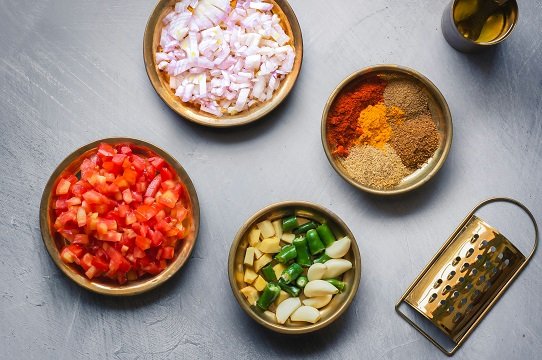
Preparation is key to successful cooking. Before embarking on your cooking journey, it is advisable to prep your ingredients. This process, known as mise en place, involves measuring out ingredients, chopping vegetables, and setting everything in order. By organizing your ingredients in advance, you can streamline your cooking process, reduce stress, and ensure that you follow the recipe in a logical sequence. This approach not only enhances efficiency but also allows you to focus on the cooking techniques required for your dish.
In summary, mastering the ability to read recipes thoroughly will significantly aid any new chef. By understanding common culinary terms, measurements, and the importance of ingredient preparation, you will build a solid foundation that will make your cooking experiences more productive and enjoyable.
Essential Knife Skills
Developing proper knife skills is fundamental for any new chef. Mastering these skills not only improves efficiency in the kitchen but also enhances the quality of the food prepared. The way a knife is held significantly affects its performance and the overall safety of its use. A secure grip involves holding the handle firmly while placing the index finger on the blade’s spine for better control. This grip allows for precise movements and reduces the risk of accidents.
Basic cutting techniques such as slicing, dicing, and chopping are essential components of knife skills. Each technique serves different culinary purposes; for instance, slicing is primarily used for ingredients such as tomatoes and cucumbers, while dicing is perfect for onions and bell peppers. Learning these techniques requires practice, but once they’re mastered, they can drastically speed up meal preparation. Additionally, using the appropriate technique helps prevent injuries and ensures each ingredient is prepared uniformly.
Safety is paramount when handling kitchen knives. Always ensure that the cutting surface is stable, and never try to catch a falling knife. It’s advisable to keep knives sharp; a dull knife requires more force to cut through food, increasing the chance of slipping and causing injury. Moreover, it is important to use cutting boards appropriate for the knife type—wood or plastic boards are most effective for maintaining the blade’s sharpness.
Choosing a good kitchen knife is equally essential in developing effective knife skills. Opt for knives that feel comfortable in hand, with a balanced weight distribution. For beginners, a chef’s knife, a paring knife, and a serrated knife can fulfill most cooking needs. Investing in high-quality knives ensures longevity and better performance, which in turn enhances the cooking experience.
Measuring Ingredients Accurately
Accurate measurement of ingredients is fundamental to successful cooking. Without precision in measuring, the balance of flavors and textures can be adversely affected. This is particularly true for baking, where the ratio of ingredients plays a critical role in the outcome of the dish. Understanding the differences between dry and wet measuring methods is key to achieving the best results.
When measuring dry ingredients, such as flour or sugar, it is essential to use dry measuring cups. These cups are typically designed to be filled to the brim and leveled off with a straight edge, ensuring that the correct amount is obtained. It is important not to scoop directly from the container, as this can pack the ingredient and lead to using too much. Instead, spooning the ingredient into the measuring cup and leveling it off provides a more accurate measurement.
On the other hand, for wet ingredients, such as oils or liquids, a liquid measuring cup should be used. These cups usually have a spout for pouring and are marked with measurement lines that allow for precise measurement. When measuring wet ingredients, place the cup on a flat surface and bend down to eye level to ensure the liquid sits at the correct measurement line. This method helps prevent any miscalculations caused by viewing the measurement from an angle.
Using a kitchen scale can also enhance accuracy. Weighing ingredients, particularly in baking, can significantly improve consistency. Scales provide a straightforward method to measure by weight rather than volume, eliminating discrepancies that arise from using different measuring cups. It is advisable to always zero out the scale after placing the container on it to ensure only the ingredient weight is measured.
To summarize, precise measurement is crucial in cooking. Utilizing the correct measuring tools, whether for dry or wet ingredients, and considering the use of a scale can greatly enhance your cooking results. This attention to detail will equip new chefs with the necessary skills to create flavorful and consistent dishes.
Cooking Techniques Every Chef Should Master
When embarking on a culinary journey, understanding and mastering essential cooking techniques is crucial for any new chef. Each technique has its purpose and can significantly affect the outcome of the dish. Here, we will explore some fundamental cooking methods: sautéing, boiling, baking, and grilling.
Sautéing is a technique that involves cooking food quickly in a small amount of fat over relatively high heat. This method is ideal for vegetables and proteins, allowing for the development of flavor while maintaining texture. To sauté, heat a pan and add a suitable oil, such as olive or canola. Once the oil is hot, add the food in a single layer to ensure even cooking. Frequently stir or toss the ingredients to promote even browning and prevent sticking.
Boiling is another basic cooking technique that involves immersing food in water or broth at a temperature of 100 degrees Celsius (212 degrees Fahrenheit). It is commonly used for pasta, legumes, and hard vegetables. To boil, bring water to a vigorous boil in a pot, then carefully add the ingredients. For optimal results, season the water with salt, and use a lid to speed up the process. Cooking times vary by food type, so it’s essential to monitor doneness closely.
Baking is a dry heat cooking method that surrounds food with hot air, typically in an oven. This technique is perfect for cakes, bread, and casseroles. To bake effectively, preheat the oven to the desired temperature before placing your dish inside. Using the proper bakeware and following specific recipes will ensure even cooking and texture.
Grilling involves cooking food over an open flame or heat source, delivering a distinct smoky flavor. Ideal for meats and vegetables, grilling can be done on a gas or charcoal grill. Ensure your grill is preheated before placing the food on it. Turning the food occasionally will help it cook evenly and develop those characteristic grill marks.
By mastering these cooking techniques, new chefs can enhance their culinary skills and prepare a wide range of delicious dishes. Each method offers unique flavors and textures, allowing for creative expression in the kitchen.
Seasoning and Flavoring Tips
Seasoning is a fundamental skill every new chef must master to elevate their dishes. The art of seasoning involves much more than just adding salt; it encompasses various elements that collectively enhance the flavor profile of a dish. One of the critical aspects of seasoning is understanding when to incorporate specific herbs and spices. For instance, adding fresh herbs like basil or parsley towards the end of cooking helps preserve their vibrant flavors, while dried herbs can be introduced earlier to allow their tastes to meld into the dish.
Utilizing a balanced approach to both herbs and spices allows for a fuller flavor. Common flavor combinations, such as garlic and rosemary for roasted meats or cumin and coriander for Middle Eastern dishes, create a harmonious foundation. It is beneficial for new chefs to experiment with these combinations to develop a palate that recognizes complimentary flavors and enhances their cooking.
Another crucial tip is to taste as you cook. Continuous tasting enables chefs to adjust seasoning midway through preparation, ensuring the final dish achieves the desired flavor. A teaspoon of salt can significantly change a dish; however, it is essential to add it gradually. This technique helps avoid overwhelming the dish with a salty taste. Additionally, acidity from ingredients like lemon juice or vinegar can brighten flavors, providing an important contrast that many chefs overlook.
Learning to season effectively also includes understanding the importance of layering flavors. For example, starting with a flavor base of onions, garlic, and spices at the beginning of cooking lays a robust groundwork for any dish. Ultimately, with practice, new chefs will grow more confident in their seasoning techniques, discovering the flavors that work best for their culinary style.
Time Management in the Kitchen
Effective time management is crucial for new chefs to ensure a smooth and enjoyable cooking experience. One of the most critical techniques is known as mise en place, a French term meaning “everything in its place.” This practice involves organizing and prepping all ingredients before starting to cook. By measuring out spices, chopping vegetables, and preparing proteins in advance, chefs can significantly reduce the likelihood of forgetting an ingredient or interrupting the flow of cooking to gather supplies.
Another essential aspect of time management is prioritizing tasks. When planning a meal, it’s important to identify which elements require the most time and attention. For example, if you’re roasting a chicken and preparing a side dish, start with the chicken as it often takes the longest to cook. While it’s in the oven, you can focus on preparing the sides, making efficient use of your time. Creating a timeline or a checklist can also help keep track of what needs to be done and when.
Multitasking is a valuable skill in the kitchen. While waiting for something to boil or roast, consider doing other tasks such as cleaning, chopping, or setting the table. This not only makes it easier to manage time but also keeps the kitchen organized and clutter-free. However, it’s crucial to balance multitasking with awareness; being attentive helps prevent accidents or overcooking.
Lastly, practice makes perfect. The more you cook, the better you’ll become at estimating cooking times and managing your workflow. Learn from each cooking experience—evaluate what worked well and what didn’t. Over time, you’ll be able to streamline the cooking process and enhance your overall efficiency in the kitchen, allowing for not only improved results but also a more enjoyable culinary journey.
Understanding Cooking Times and Temperatures
Cooking times and temperatures are vital components in the preparation of food that significantly affect the results you achieve. For new chefs, grasping the specifics of how different foods react to cooking temperatures can lead to improved flavor, texture, and safety. Each type of food has its ideal cooking temperature, which ensures it is cooked properly and safely, minimizing the risk of foodborne illnesses.
Various proteins, such as poultry, seafood, and meats, require different cooking temperatures to reach doneness. For instance, chicken should be cooked to an internal temperature of 165°F (74°C) to eliminate harmful bacteria like Salmonella. Fish, on the other hand, is ideally cooked to about 145°F (63°C). It is crucial to understand that cooking times can vary based on factors such as the size of the piece, cooking method, and initial temperature of the food before cooking.
Using a food thermometer is one of the most accurate ways to ensure your meals are cooked to the right temperature. Place the thermometer in the thickest part of the food, avoiding the bone if there is one, as this will give a false reading. For baked goods, like bread or cakes, a different approach is required; usually, inserting a toothpick into the center can be an effective test—if it comes out clean, the item is typically done. For dishes that include multiple ingredients, like casseroles, a temperature of 165°F (74°C) throughout is also recommended.
In addition to using cooking times and temperatures to guarantee proper cooking, understanding how to rest food after cooking is also essential. Resting allows the juices within the food to redistribute, resulting in a more moist and flavorful final product. By utilizing a food thermometer, new chefs can navigate the world of cooking with more confidence, ensuring their meals are both delicious and safe to eat.
Cleaning and Maintenance Post-Cooking
After a cooking session, it is essential to properly clean and maintain your kitchen equipment and utensils. This not only ensures hygiene but also extends the lifespan of these essential tools. The following best practices can help in establishing a routine for cleaning up after cooking.
Firstly, begin by gathering all used utensils, pots, and pans as soon as the meal is finished. This helps prevent any food residues from hardening and becoming difficult to clean later. It is advisable to rinse these items immediately under warm water before placing them into the dishwasher or the sink for handwashing. For tougher stains, a soak in warm, soapy water can facilitate easier cleaning.
Next, pay attention to the cleaning of countertop surfaces and appliances. Utilize a suitable cleaning agent, preferably one that is specifically designed for the surfaces in your kitchen, to wipe down areas that may have accumulated spills or splatters. For wooden surfaces, use a damp cloth followed by drying to avoid any water damage. Regular cleaning of appliances such as blenders, microwaves, and toasters also contributes to maintaining their functionality and hygiene.
Furthermore, it is crucial to properly store your cooking equipment. Allow dishes and utensils to dry completely before returning them to storage, as this helps prevent mold and bacteria buildup. Drawers and cabinets should be clean, and items should be organized for ease of access next time you cook. Additionally, periodically inspect your utensils for signs of wear and tear, replacing any that are heavily damaged to maintain safety and efficiency.
In conclusion, implementing a methodical approach to cleaning and maintaining kitchen equipment contributes significantly to a hygienic cooking environment and promotes the longevity of your kitchen tools. Making cleaning a habitual part of your cooking process will streamline your experience and enhance your overall culinary skills.