


Understanding Home Value
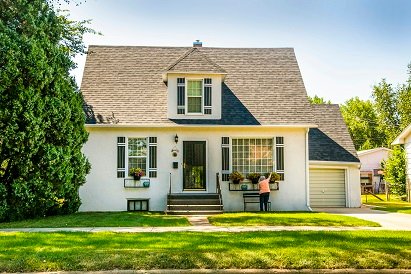
Home value is a critical aspect of real estate, determining both the marketability and resale price of a property. Various factors influence home value, including location, property condition, and current market trends. Understanding these components can help homeowners make informed decisions about their properties and investments. Location is perhaps the most significant element affecting home value. Properties situated in desirable neighborhoods or areas with good schools, ample amenities, and low crime rates generally see higher property values. Additionally, proximity to urban centers or transportation links can also increase a home’s worth. The physical condition of a home plays an essential role in its value. Homes that are well-maintained typically command higher prices than those in disrepair. Updates and renovations, such as modern kitchens, bathrooms, and energy efficiency improvements can enhance a property’s appeal and ultimately its value. Moreover, an attractive curb appeal can create a positive first impression, contributing to better market positioning.
Market trends significantly impact home value as well. Economic factors, such as interest rates and housing supply, can fluctuate and influence buyer demand. Real estate markets experience cycles of growth and decline, which also affect property valuations. For instance, during a seller’s market, where demand exceeds supply, home values may rise, leading to higher selling prices.
In essence, understanding what constitutes home value equips homeowners with the knowledge necessary to enhance their property’s worth. Recognizing the interplay between location, condition, and market trends not only helps in making improvements but also positions the investment advantageously for potential resale opportunities.
Curb Appeal Enhancements
Curb appeal plays a crucial role in determining the overall appeal and perceived value of a home. It is the first impression potential buyers or visitors receive, and thus, investing in enhancements can significantly impact the home’s marketability. There are several budget-friendly strategies that homeowners can employ to improve their property’s exterior appearance without breaking the bank.
One of the most effective ways to boost curb appeal is through landscaping. Simple changes, such as planting colorful flowers, trimming overgrown shrubs, or adding mulch, can create a more inviting outdoor space. Additionally, maintaining a well-manicured lawn is essential; regular mowing and edging can make a significant difference in the overall presentation. For homeowners on a budget, incorporating native plants that require less water and maintenance is a smart choice.
Another impactful enhancement is exterior painting. A fresh coat of paint can revive an outdated facade and give the home a modern look. Consider focusing on the front door and shutters as these features attract attention and can be painted in complementary colors that add character. Furthermore, using high-quality exterior paint not only improves aesthetics but also protects surfaces from weather damage.
Replacing the front door is another inexpensive upgrade that can dramatically enhance curb appeal. A new door not only improves security but can also enhance the architectural style of the home. Opting for a door that features glass panels can create a welcoming entry point, allowing light into the foyer while maintaining privacy.
Moreover, small details such as updating lighting fixtures, adding house numbers, or installing window boxes can significantly contribute to home appeal. These enhancements, paired with thoughtful landscaping and paint choices, work together to enhance the overall look of a home, making it more attractive to prospective buyers and increasing its value in the real estate market.
Interior Upgrades on a Budget
Enhancing the interior of your home does not always require a substantial financial investment. In fact, several budget-friendly upgrades can dramatically boost your home’s value. With a strategic approach, homeowners can achieve significant improvements through cost-effective options that yield a notable return on investment.
One of the most impactful and affordable upgrades is painting. A fresh coat of paint can revive tired walls and enhance the aesthetic appeal of a room. Opting for neutral colors often results in a broader buyer appeal. This simple task can usually be accomplished with minimal expense in both materials and labor if you choose to DIY, making it an excellent choice for a budget-conscious homeowner.
Next, consider updating your flooring. While complete floor replacements can be costly, there are alternatives that maintain quality without breaking the bank. For instance, installing laminate or vinyl flooring can provide the look of hardwood at a fraction of the cost. These materials are durable and easy to maintain, making them an attractive option for both homeowners and potential buyers alike.
Minor renovations in the kitchen and bathroom can also yield impressive results. Small updates such as replacing cabinet hardware, installing a new backsplash, or even refreshing grout lines can modernize these spaces significantly. In the bathroom, replacing fixtures or re-caulking can offer a fresh feel without extensive remodeling. Each of these upgrades contributes to the overall ambiance of your home and enhances its marketability.
In summary, by focusing on these budget-friendly interior upgrades, homeowners can create a more appealing living space and substantially increase their home’s value. Prioritizing these cost-effective improvements allows for a better alignment of aesthetic enhancement with financial prudence, ultimately leading to a rewarding investment return.
Energy Efficiency Improvements
In today’s real estate market, potential buyers are increasingly interested in homes that offer energy-efficient features. Investing in energy efficiency improvements not only reduces utility costs for homeowners but also enhances the appeal of a property to prospective buyers. Affordable energy-efficient upgrades can significantly boost home value while being accessible to a wide range of budgets.
One of the most impactful upgrades is the installation of energy-efficient lighting. Replacing traditional incandescent bulbs with LED options can lower electricity usage and create a longer-lasting solution than conventional lighting. LED lights consume at least 75% less energy and can significantly decrease energy bills, making homes more attractive to buyers who are environmentally conscious.
In addition to lighting, upgrading appliances to more energy-efficient models is a wise investment. Energy Star-certified appliances, for example, are designed to use less energy and water, helping homeowners save money over time. When potential buyers see modern, efficient appliances in a home, they often perceive the property as more valuable, knowing they will incur lower operating costs.
Another notable improvement is the enhancement of insulation. Proper insulation in the attic, walls, and floors can substantially improve a home’s energy efficiency. This not only maintains a comfortable indoor temperature throughout the year but also reduces heating and cooling expenses. Homeowners can achieve this without significant costs by using materials that are cost-effective yet effective in reducing energy loss.
Furthermore, homeowners may consider adding smart home technology, which can optimize energy consumption. Smart thermostats, for instance, adjust heating and cooling settings automatically, enhancing comfort while conserving energy. Such features are becoming increasingly desirable for buyers who value convenience and efficiency.
In conclusion, energy efficiency improvements such as installing energy-efficient lighting, appliances, and better insulation are vital affordable upgrades that enhance home value. By focusing on these energy-saving strategies, homeowners can not only save money but also attract potential buyers looking for efficient and modern living solutions.
Smart Home Technology Integration
The integration of smart home technology has become increasingly popular among homeowners and potential buyers alike. As the demand for these tech-savvy features grows, incorporating smart devices into a home can significantly enhance its value. For individuals looking to attract buyers while sticking to a budget, there are several strategies to consider.
One of the most cost-effective ways to begin integrating smart technology is by installing smart lighting systems. These systems allow homeowners to control lighting remotely, set schedules, and even adjust the ambiance through voice commands. Products such as smart bulbs and lighting hubs are not only affordable but also offer easy installation, making them an attractive option for enhancing home value without overspending.
In addition to lighting, smart thermostats represent another budget-friendly enhancement. These devices can learn a homeowner’s schedule and preferences, thus optimizing heating and cooling to reduce energy costs. Smart thermostats can also be controlled via smartphone applications, providing convenience and efficiency. Installing a smart thermostat is a relatively simple project that most homeowners can undertake, providing both functionality and appeal to potential buyers.
Another way to integrate smart technology is through security features. Affordable options, such as smart locks and cameras, can significantly bolster a property’s security. Many of these products can be monitored and controlled through mobile applications, giving homeowners peace of mind while elevating the property’s appeal on the real estate market. Additionally, including smart doorbells enhances curb appeal and security, which are important attributes for many buyers today.
By thoughtfully incorporating these budget-friendly smart home features, homeowners can not only enhance their living experience but also improve the marketability of their properties. As the trend towards smart home technology continues to rise, focusing on accessible and cost-effective integrations can yield a rewarding return on investment.
Maintenance and Repairs
Regular maintenance and repairs are critical components in preserving and enhancing the value of a home. Homeowners who proactively address minor issues can prevent them from developing into larger, more expensive problems. By staying on top of routine upkeep, one can not only protect their investment but also potentially increase the home’s appeal to future buyers.
One of the most important areas to focus on is the roofing system. Inspecting for missing or damaged shingles, and ensuring that gutters are clear of debris can avert leaks and water damage. This simple act can save a homeowner significant repair costs down the line. Additionally, the condition of the exterior siding should be regularly assessed. Repairing any cracks or peeling paint can dramatically improve curb appeal, reinforcing a positive first impression for visitors and potential buyers alike.
Furthermore, plumbing is another crucial aspect that deserves attention. Homeowners should regularly check for leaks around sinks, toilets, and appliances. A small leak today can lead to severe water damage tomorrow if left unchecked. Moreover, ensuring that all systems are functioning properly, including the heating and cooling units, can improve energy efficiency, which is attractive to prospective buyers.
In addition to structural elements, it is essential to consider the interior of the home. Regularly updating or maintaining appliances and fixtures can also increase value. Simple tasks such as cleaning or replacing cabinet handles, fixing leaky faucets, or even applying a fresh coat of paint can make a significant difference in the overall presentation and appeal of a space.
Finally, don’t overlook the importance of landscaping. Maintaining a tidy yard, trimming bushes, and planting seasonal flowers can add charm and enhance the property’s suitability for outdoor activities, which many buyers prioritize. Regular maintenance and repairs can maintain the integrity of a home, making it a wise investment for homeowners.
Creating Additional Living Space
In the quest to enhance home value, one of the most effective strategies is to create additional living space without incurring hefty expenses associated with home extensions. Maximizing existing space allows homeowners to increase functionality while also appealing to potential buyers who prioritize room for various activities.
A popular approach to achieve this is by finishing basements. This often underutilized area can be transformed into a cozy family room, a home office, or even a guest suite. Proper insulation, flooring, and lighting can change a dim cellar into a welcoming living space, significantly boosting the overall appeal of the home. Additionally, unfinished basements typically offer ample square footage at a lower investment when compared to building an extension.
Another area of opportunity lies within the attic. Attic conversions can yield a charming loft or additional bedroom, thereby enhancing value while maximizing vertical space. Careful planning is essential to ensure compliance with local building codes and to create a design that makes the most of the existing structural layout.
Enhancing outdoor living areas is equally vital. Outdoor spaces, such as patios and decks, can be upgraded with minimal investment and provide a great return on investment. Simple updates, like new furnishings or decorative landscaping, can elevate the space into an inviting area ideal for relaxation and entertainment.
Moreover, integrating features such as outdoor kitchens or fire pits can significantly enhance the appeal of an exterior space. Creating multifunctional areas outside allows homeowners to enjoy their property fully, all while adding to the home’s overall value.
In conclusion, focusing on maximizing space through finishing basements or attics and enhancing outdoor living areas represents a cost-effective method to significantly boost home value. With thoughtful planning and design, homeowners can create versatile, appealing environments that not only enhance their enjoyment but also attract potential buyers should they choose to sell in the future.
Cost-Effective Landscaping Ideas
Landscaping is a vital aspect of home improvement that can significantly enhance both the aesthetic appeal and market value of your property. With budget constraints in mind, there are several cost-effective landscaping options to consider that yield impressive results.
One of the simplest ways to enhance your outdoor space is through garden designs that incorporate native plants. Native species are well-adapted to the local climate and require less maintenance, reducing both watering and fertilization costs. By selecting plants that thrive in your region, you can create a sustainable garden that not only looks great but also provides natural habitat for local wildlife. Moreover, these plants often have lower water requirements, making them an environmentally friendly choice.
In addition to selecting the right plants, maintaining your existing landscaping is crucial. Regular lawn care, including mowing, edging, and fertilizing, can substantially enhance your property’s curb appeal. Implementing mulch in your garden beds not only reduces weeds but also retains soil moisture, which is particularly beneficial in drought-prone areas. This simple strategy contributes to a well-kept appearance and aligns with budget-friendly landscaping practices.
Another practical approach includes creating designated outdoor spaces for activities such as relaxation or entertaining. Installing pathways made of stone or gravel can define these areas while remaining budget-friendly. Incorporating seating, perhaps through the use of repurposed materials for benches or tables, can further enhance the usability of your yard without significant investment.
Finally, regular upkeep of fences, hedges, and other landscaping elements ensures your home presents a polished appearance. These small steps are integral to maximizing your home’s value and attractiveness to potential buyers. By focusing on these budget-conscious landscaping options, homeowners can create a visually appealing environment that adds to the overall worth of their property.
Leveraging DIY Projects
Home improvement projects can often come with a hefty price tag if you choose to hire professionals. However, leveraging do-it-yourself (DIY) projects provides homeowners with a distinctive opportunity to increase their property value in a budget-friendly way. By opting for DIY, you not only save on labor costs but also gain the satisfaction of having completed the project yourself.
One of the primary benefits of taking on DIY projects is the flexibility it provides. Homeowners can tackle enhancements at their own pace and schedule, allowing them to incorporate improvements as time and finances permit. Additionally, engaging in these projects can foster a sense of ownership and personal pride in one’s home, further enhancing its appeal.
Some effective DIY projects include simple tasks such as painting, landscaping, and minor repairs that can dramatically improve the aesthetic and functional value of a home. For example, a fresh coat of paint can make spaces feel cleaner and more modern, while well-maintained landscaping can significantly boost curb appeal. Furthermore, updating fixtures, such as faucets and doorknobs, can also contribute to an updated look without incurring high costs.
Moreover, investing time in insulation or energy-efficient updates can reduce utility bills and increase the overall efficiency of the home, making it more attractive to prospective buyers. Even small changes, such as organizing or decluttering spaces, can create an impression of spaciousness and cleanliness, further enhancing a home’s value.
Ultimately, engaging in DIY projects offers homeowners a chance to engage creatively with their homes while also contributing positively to property valuations. With the right approach, DIY enhancements can yield significant returns when it comes time to sell, making it a worthwhile consideration for any homeowner seeking to increase their property value without spending excessively.