


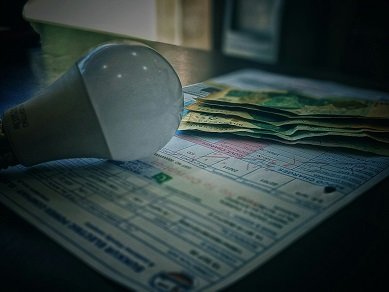
Understanding Your Energy Usage
Tracking and analyzing energy consumption is crucial for any homeowner looking to reduce their energy bills. Understanding how much energy your household uses, and when, allows you to pinpoint areas where you can make improvements. Calculating your average energy consumption can provide a baseline, from which you can identify patterns and variances in usage. One effective tool for this purpose is a home energy monitor. These devices can be installed to track your overall energy consumption in real-time, providing valuable insights into your daily usage. Additionally, smart meters offered by utility companies allow homeowners to view their energy consumption data online, often detailing hourly, daily, and monthly usage. Utilizing these resources not only empowers homeowners to grasp their energy patterns but also educates them about the significant fluctuations in their consumption.
Understanding peak consumption times is another critical aspect of monitoring energy usage. Many households use more energy during specific periods of the day, often coinciding with the arrival of family members home from work or school, cooking times, or peak winter heating. By identifying these peak times, you can adjust your usage habits to take advantage of off-peak rates provided by your energy supplier. For example, running major appliances such as dishwashers or laundry machines during these off-peak hours can lead to significant savings on your energy bill.
Moreover, establishing a daily routine that minimizes energy use during peak periods can effectively reduce overall consumption. Simple changes, such as turning off lights and unplugging devices when not in use, collectively contribute to a noticeable decrease in energy bills. Learning how to adjust your living habits, based on the patterns revealed through monitoring, ultimately supports the goal of energy efficiency.
The Benefits of Energy-Efficient Appliances
Investing in energy-efficient appliances offers a multitude of benefits that are both environmentally sustainable and economically advantageous. These appliances are designed to consume less energy compared to their standard counterparts while performing at the same efficiency levels. By integrating advanced technology such as better insulation, variable speed motors, and smart controls, energy-efficient models can significantly reduce electricity consumption.
One of the primary advantages of using energy-efficient appliances is the potential for substantial cost savings on energy bills. Over time, the reduced energy usage translates into lower utility costs. For example, replacing an old refrigerator with a new Energy Star certified model could save homeowners hundreds of dollars annually. Furthermore, many utility companies offer rebates and incentives for upgrading to energy-efficient products, which can offset the initial investment.
When selecting energy-efficient appliances for your home, it is essential to consider several factors. Start by looking for the Energy Star label, which indicates that the appliance meets specific energy efficiency standards set by the Environmental Protection Agency. Additionally, researching the estimated annual operating costs can provide insight into how much you might save over the appliance’s lifespan. Reading reviews and comparing the features of different models can also help ensure that the selected appliance meets your needs without compromising on performance.
Moreover, consider the size and capacity of the appliances to ensure optimal energy use. An appliance that is too large may consume unnecessary energy, while an undersized appliance may not function effectively, leading to higher energy consumption. In conclusion, investing in energy-efficient appliances is a strategic move for homeowners looking to reduce energy bills, minimize environmental impact, and enhance the overall efficiency of their household energy use.
Effective Insulation Solutions
Proper insulation is crucial for reducing energy bills and enhancing overall energy efficiency within a home. It acts as a barrier to heat flow, keeping warm air inside during the winter and preventing heat from entering during the summer. This not only reduces the demand for heating and cooling systems but also leads to significant cost savings on energy bills.
There are various types of insulation materials available, each with unique properties and applications. One of the most common insulation types is fiberglass, which is lightweight and provides excellent thermal resistance. Fiberglass batts or rolls can be easily installed in walls, attics, and floors. Another option is spray foam insulation, which expands upon application and fills gaps and cracks, providing an airtight seal that enhances its thermal efficiency. This type is particularly effective in irregularly shaped spaces and around plumbing or electrical pathways.
Cellulose insulation, made from recycled paper products, is another environmentally friendly option. It is typically blown into attics and walls and offers good thermal performance alongside soundproofing benefits. Additionally, foam board insulation provides high insulating value with less thickness and is suitable for external walls and foundation applications.
Reflective or radiant barrier insulation is beneficial in warmer climates, as it reflects radiant heat away from living spaces. It is commonly installed in attics to reduce cooling costs during hot months. The placement of insulation is vital; it should be applied where the most heat loss occurs, such as in attics, basements, and exterior walls.
In conclusion, choosing the right type of insulation material and applying it effectively can significantly improve a home’s energy efficiency, ultimately leading to reduced energy bills. By investing in proper insulation solutions, homeowners can create a more comfortable living environment while also contributing to energy conservation efforts.
Smart Heating and Cooling Practices
Maintaining an efficient heating and cooling system is essential for reducing home energy bills. One of the primary strategies is to optimize your thermostat settings. During the summer months, keeping the thermostat set to around 78°F can help ensure comfort without straining the system. Conversely, in winter, a setting of 68°F is often recommended during the day, with a slight reduction at night or when the house is unoccupied. Utilizing programmable or smart thermostats can enhance these practices by automatically adjusting temperatures based on your schedule and preferences.
Seasonal maintenance of heating and cooling systems is another critical factor in energy efficiency. Regularly changing or cleaning air filters is imperative, as clogged filters restrict airflow and force the system to work harder. Homeowners should also schedule annual professional inspections to ensure that HVAC systems operate at peak performance. These inspections can identify potential issues before they become costly repairs, ultimately saving energy and money.
In addition to conventional heating and cooling methods, various alternative techniques can contribute to environmental comfort without excessive energy use. For instance, utilizing ceiling fans in conjunction with your air conditioning system can promote airflow and allow you to raise the thermostat setting comfortably. Furthermore, insulating windows and doors, using weather-stripping, and sealing gaps can prevent drafts, enhancing the overall efficiency of heating and cooling systems.
Natural ventilation is another valuable strategy, particularly during temperate seasons. Opening windows during cooler parts of the day can allow for a refreshing cross-breeze, reducing reliance on mechanical cooling systems. Additionally, strategically utilizing curtains and shades can help control indoor temperatures by blocking direct sunlight during summer months while allowing sunlight to warm spaces during winter.
The Role of Lighting in Energy Conservation
The selection and management of lighting play a significant role in energy conservation in homes. Different types of lighting can greatly influence energy consumption, so it is important for homeowners to understand these differences. Traditional incandescent bulbs, while ubiquitous, are known for their inefficiency, converting only a small portion of energy into light while generating excess heat. This results in higher energy bills and unnecessary energy waste.
In contrast, LED (Light Emitting Diode) bulbs are a modern solution to lighting needs. They have gained popularity due to their exceptional energy efficiency, using up to 75% less energy than incandescent bulbs. Furthermore, LEDs have a much longer lifespan, lasting up to 25,000 hours compared to the mere 1,000 hours of conventional bulbs. This longevity not only reduces replacement costs but also lessens the environmental impact of manufacturing and disposing of lighting products. Additionally, LEDs offer versatility in color temperature and brightness, allowing users to create the desired atmosphere while maintaining low energy consumption.
Another effective strategy is managing natural light. Maximizing the use of sunlight during the day can significantly diminish the need for artificial lighting and subsequently lower energy bills. Homeowners can achieve this by ensuring windows are unobstructed and using light-colored curtains, which allow light to permeate while still providing some privacy. Consideration should also be given to the orientation of the home; south-facing windows, for instance, can capture more sunlight and brighten living spaces without the need for electricity.
In addition to these strategies, incorporating skylights or solar tubes can brighten areas that may otherwise require additional artificial lighting. The integration of all these methods in lighting choices and management can lead to profound reductions in energy costs and promote a sustainable living environment. Awareness of the impact that lighting choices can have on energy bills is a crucial step towards reducing overall consumption.
Using Renewable Energy Sources
As households increasingly seek ways to lower their energy bills, integrating renewable energy sources into their energy mix has emerged as a viable strategy. Two of the most popular options are solar panels and wind turbines, which not only offer potential long-term savings but also contribute to a more sustainable future.
Solar panels, commonly installed on rooftops, harness sunlight and convert it into electricity. The initial investment can be substantial; however, many homeowners find that the long-term savings on energy costs justify this expense. Depending on location, solar energy systems can significantly reduce monthly electric bills. Additionally, many regions offer incentives and tax credits designed to encourage the use of solar energy, further offsetting installation costs.
Wind energy is another renewable option. Residential wind turbines can be installed in properties with sufficient space and wind speed, providing an alternative power source. While the initial setup might be more complex and costly compared to solar panels, the ongoing savings in energy bills can be considerable. Homeowners willing to invest in wind energy may also benefit from state and federal incentives, which can help alleviate upfront costs.
Both solar and wind energy systems require considerable investment initially; however, the prospects for long-term financial benefits make them attractive options for households aiming to reduce energy costs. Additionally, as technology advances and awareness of renewable energy grows, the financial viability of such systems will likely continue to improve, making them more accessible to a broader range of homeowners. In conclusion, the integration of renewable energy sources such as solar panels and wind turbines can be an effective strategy for households looking to manage their energy expenditures while contributing to environmental sustainability.
Implementing Energy-Saving Habits
Adopting daily habits and lifestyle changes is crucial for reducing home energy bills. One of the simplest yet most effective practices is to turn off lights when they are not in use. Many households leave lights on in empty rooms, which wastes a significant amount of electricity. By making a habit of turning off lights as you leave a room, you can contribute to substantial energy savings over time.
Another key practice involves unplugging devices that are not in use. Many electronic devices and appliances continue to consume energy even when they are turned off, commonly referred to as “phantom load” or “vampire energy.” This occurs with chargers, televisions, and computer equipment. By unplugging these devices once they are no longer needed, you can prevent unnecessary energy consumption.
Additionally, leveraging natural ventilation can significantly improve energy efficiency within your home. During mild weather, open windows instead of relying on air conditioning to cool indoor spaces, allowing fresh air to circulate and reducing the demand for electricity-based cooling solutions. This practice is particularly effective during the spring and fall seasons when outside temperatures are comfortable.
Moreover, incorporating tasks such as washing clothes in cold water and hanging them to dry can contribute to lowering energy bills. Heating water for laundry can require a large amount of energy, so utilizing cold water not only protects fabrics but also cuts down on energy usage.
It is also essential to regularly check and replace air filters in heating and cooling systems. A clean air filter promotes better airflow and efficiency throughout the home, reducing the overall energy consumption of HVAC systems. Furthermore, ensuring that doors and windows are properly sealed prevents drafts, which can contribute to higher heating and cooling costs.
Incorporating these energy-saving habits into your daily life can lead to a noticeable reduction in energy bills and promote a more sustainable lifestyle. By taking these small yet impactful steps, individuals can significantly influence their energy consumption and contribute to broader energy conservation efforts.
The Importance of Regular Maintenance
Regular maintenance of home systems and appliances is a crucial aspect of ensuring optimal efficiency and minimizing energy consumption. By adhering to a scheduled maintenance routine, homeowners can significantly reduce energy bills while also extending the lifespan of their appliances.
One of the most essential maintenance tasks involves the heating, ventilation, and air conditioning (HVAC) systems. These systems should be serviced at least once a year to clean filters, check refrigerant levels, and assess overall performance. A well-maintained HVAC unit operates more efficiently, resulting in lower energy costs and improved comfort levels within the home.
Similarly, regular maintenance of appliances such as refrigerators and water heaters can lead to substantial energy savings. Keeping refrigerator coils clean ensures the appliance runs efficiently, while flushing sediment from water heaters can enhance their heating efficiency. Homeowners should also inspect and clean their dryers; lint buildup not only affects performance but poses a fire hazard as well.
Moreover, checking insulation and sealing any leaks around windows and doors can prevent air loss. This simple maintenance task helps to stabilize indoor temperatures, reducing the need for excessive heating or cooling, which can be a significant energy drain. Regularly maintaining thermostats and ensuring they function correctly also plays a role in energy efficiency, allowing for more consistent temperature control.
In essence, routine maintenance is vital for preventing energy waste. Simple tasks such as cleaning filters, checking for leaks, and servicing major appliances not only contribute to lower energy costs but also enhance the overall comfort and security of a household. By prioritizing regular maintenance, homeowners can optimize their energy use and ensure their systems operate efficiently for years to come.
Calculating Your Savings and Setting Goals
Understanding potential savings from adopting energy-efficient practices is vital for homeowners looking to reduce their energy bills. One effective way to calculate these savings is by comparing current energy consumption with projections of reduced usage after implementing energy-saving strategies. Begin by examining your utility bills over the past year to determine your average monthly usage in kilowatt-hours (kWh). This figure will serve as your baseline.
Next, identify specific energy-efficient upgrades or practices you are considering, such as improving insulation, investing in energy-efficient appliances, or using programmable thermostats. Each upgrade generally carries an estimated percentage of energy consumption reduction associated with it. For instance, upgrading from a traditional incandescent light bulb to an LED can reduce lighting costs by approximately 75%. Multiply your current monthly energy consumption by the expected savings percentage of each planned upgrade.
Setting realistic energy-saving goals is crucial for maintaining motivation and tracking progress. It’s advisable to outline both short-term and long-term goals, tailoring these to your financial capabilities and home conditions. For instance, a short-term goal might be to reduce energy usage by 10% over the next six months. In contrast, a long-term objective could involve achieving a 30% reduction in energy bills within the next two years. Utilize a spreadsheet or a specialized app to track your monthly energy usage against these set goals, which will help you visualize your progress.
Regularly reviewing both your energy consumption and the savings achieved can be highly advantageous. It not only reinforces the importance of energy efficiency but also allows for adjustments in your strategies if needed. Over time, these calculations and goal-setting processes will empower you to not only cut down on your energy bills but also foster a more sustainable and efficient home environment.