


Understanding Hair Structure
The anatomy of hair structure comprises several intricate layers that play crucial roles in determining the hair’s strength, health, and overall appearance. Each layer fulfills distinct functions and understanding these components can significantly enhance hair care regimens. At the core of hair structure is the medulla, which is the innermost layer. This layer may not exist in all hair types, particularly in finer strands. The medulla is essentially a soft, spongy substance that can contribute to the overall thickness of the hair strand. While the function of the medulla is not entirely understood, it may assist in providing insulation and support. Surrounding the medulla is the cortex, which is the thickest layer and accounts for the majority of the hair’s mass. The cortex is where the hair’s natural color is found, due to the presence of melanin, and is vital for hair strength and elasticity. The arrangement of keratin molecules in the cortex further contributes to how well the hair can withstand styling and environmental factors. Damage to the cortex can lead to weakened hair, making it more prone to breakage.
Finally, the outermost layer of hair is known as the cuticle. The cuticle consists of overlapping, scale-like cells that protect the inner layers from damage. A healthy cuticle lies flat, providing a smooth surface that reflects light and contributes to shine. In contrast, a damaged cuticle can lift and create a rough texture, leading to frizz and dullness. Therefore, protecting the cuticle through appropriate hair care practices—such as minimizing heat exposure and using suitable hair products—is essential for maintaining hair integrity.
In conclusion, a comprehensive understanding of hair structure—including its three primary layers: cuticle, cortex, and medulla—serves as a foundation for effective hair care. By recognizing the specific roles of each layer, individuals can better tailor their hair care strategies to enhance hair strength and overall health.
Common Hair Myths Debunked
Hair care is often surrounded by various myths that can mislead individuals into adopting ineffective or even harmful practices. One of the most prevalent misconceptions is that washing hair daily is essential for cleanliness and health. In reality, the frequency of washing should depend on an individual’s hair type and lifestyle. Over-washing can strip the hair of its natural oils, leading to dryness and damage. Many experts recommend washing hair two to three times a week for optimal health.
Another common myth is that trimming hair will promote faster growth. While regular trims help eliminate split ends and maintain the appearance of healthy hair, they do not actually influence the rate of hair growth, which is primarily determined by genetics and overall health. Therefore, individuals seeking longer hair should focus on maintaining a healthy scalp and nourishing their hair rather than relying solely on trims.
Additionally, there is a widespread belief that moisturizing shampoo is unnecessary if hair is naturally oily. However, oily hair can still benefit from moisturizing elements, as these products help maintain balance and prevent the scalp from overcompensating with excess oil production. Choosing suitable products that suit hair type, whether oily or dry, is vital for overall hair health.
Many individuals also think that hair styling tools are damaging only when used at high temperatures. While heat does pose a risk to hair integrity, the type of styling and how often it is performed also play significant roles in hair health. Utilizing appropriate heat protection products and setting tools to a lower heat setting can mitigate damage.
In conclusion, debunking these hair care myths is crucial for anyone aiming for strong and healthy hair. Understanding the facts allows individuals to adopt more effective hair care routines tailored to their unique needs. By steering clear of common misconceptions, one can enhance their overall hair health and appearance.
Daily Hair Care Routine
Establishing a daily hair care routine is pivotal for maintaining strong and healthy hair. An effective regimen incorporates washing, conditioning, and drying techniques tailored to your hair type. First and foremost, choose a gentle shampoo that suits your specific hair needs. For instance, those with oily hair may benefit from a clarifying formula, while individuals with dry or curly hair might require a moisturizing shampoo. It is recommended to wash your hair approximately two to three times a week to prevent stripping it of its natural oils, unless you are particularly active or have a very oily scalp.
Once your hair is clean, conditioning becomes essential. A good conditioner not only helps to replenish moisture but also aids in detangling the hair, making it more manageable. Apply the conditioner mainly to the mid-lengths and ends of the hair, allowing it to sit for a few minutes before rinsing. This practice ensures that the strands receive adequate hydration without becoming overly greasy at the roots.
Drying methods also play a crucial role in maintaining hair health. Avoid vigorous towel drying, as this can cause breakage and frizz. Instead, opt for gently squeezing excess water from your hair or using a soft microfiber towel. If possible, allow your hair to air dry, as the heat from blow dryers can damage hair over time. When using a heat styling tool, it is vital to apply a heat protectant to safeguard the hair strands from potential harm. Moreover, limiting the use of heated styling tools can further promote healthier hair.
Incorporating these basic elements into your daily routine can greatly enhance the strength and vitality of your hair. Each step builds upon the last, creating a holistic approach to hair care that encourages resilience and radiance throughout your strands. The journey to healthy hair is continuous, requiring sustained effort and attention to detail in your daily regimen.
Choosing the Right Hair Products
Selecting the appropriate hair care products is crucial for maintaining strong and healthy hair. The best products often vary depending on individual hair types and specific scalp conditions. Therefore, understanding your hair’s unique needs can lead to better choices, ultimately promoting overall hair health.
For those with oily hair, a clarifying shampoo can effectively remove excess sebum and product buildup. Ingredients such as tea tree oil and salicylic acid are beneficial as they help to balance oil production and keep the scalp clean. It is advisable to avoid overly moisturizing or heavy formulas, as these may exacerbate greasiness and lead to limp hair.
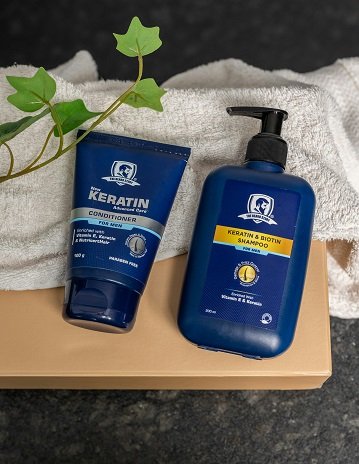
Conversely, individuals with dry or damaged hair should prioritize moisture and nourishment. Creamy shampoos and conditioners enriched with natural oils, such as argan or coconut oil, can provide essential hydration. Look for products containing keratin, as it helps to repair and strengthen the hair shaft. Additionally, avoiding sulfates and alcohol-containing products is recommended, as these can strip the hair of its natural moisture.
For users with color-treated hair, it is important to choose sulfate-free and color-safe products. These formulations help maintain the vibrancy of your hair color while providing gentle cleansing. Ingredients like quinoa and hibiscus can also help protect against fading.
If you suffer from specific scalp conditions such as dandruff or dermatitis, seek out shampoos with active ingredients like pyrithione zinc or ketoconazole. These help control flaking and relieve irritation, promoting a healthier scalp environment for hair growth.
Ultimately, trial and error may be necessary to uncover the most effective products for your hair type. Pay attention to how your hair and scalp respond to different formulations, and consider rotating products to meet the changing needs of your hair over time. Balancing the right ingredients and avoiding harmful additives is essential for achieving long-lasting hair health.
The Role of Nutrition in Hair Health
Nutrition plays a crucial role in maintaining hair strength and promoting growth. A well-balanced diet not only supports overall health but also ensures that the hair follicles receive the essential nutrients required for optimal functioning. Proteins, vitamins, and minerals are particularly important when it comes to hair health.
Proteins are the building blocks of hair, as hair is primarily composed of a protein called keratin. Consuming sufficient amounts of protein can help strengthen strands and reduce breakage. Diets rich in lean meats, fish, eggs, and dairy products provide ample protein. For vegetarians and vegans, beans, lentils, and tofu are excellent alternatives that can contribute significantly to protein intake.
Vitamins also play a vital role in hair growth. Biotin, often known as Vitamin H, promotes the health of hair, skin, and nails. Deficiency in biotin may lead to hair thinning or loss. Other essential vitamins include Vitamin A, which aids in the production of sebum, keeping the scalp moisturized, and Vitamin E, which improves blood circulation to the scalp, enhancing hair follicle health. Incorporating a variety of fruits and vegetables into the diet can provide these vital vitamins.
In addition to proteins and vitamins, specific minerals such as zinc and iron are indispensable for maintaining healthy hair. Zinc deficiency can lead to hair loss and slower growth, while iron is critical for delivering oxygen to hair follicles. Foods rich in zinc include nuts, seeds, and whole grains, and for iron, consider red meat, spinach, and lentils.
In summary, a balanced diet containing adequate amounts of proteins, vitamins, and minerals is essential for strong and healthy hair. By focusing on a nutrient-rich diet, individuals can significantly enhance the condition of their hair and promote healthy growth, laying the foundation for long-lasting hair vitality.
Protecting Your Hair from Damage
Environmental factors such as sun exposure, wind, and pollution can significantly contribute to hair damage. It is essential to implement protective strategies to maintain strong and healthy hair. One effective approach is to wear a hat or scarf when spending extended periods outdoors, particularly during peak sunlight hours. This simple action not only shields your hair from UV rays but also helps prevent dryness and color fading due to sun exposure.
Additionally, wind can exacerbate hair brittleness by creating friction, which leads to breakage. Seeking shelter from strong winds when possible or tying your hair in a loose braid can mitigate these effects. Furthermore, urban areas often expose hair to pollution, which can lead to buildup and dullness. Regular cleansing with a suitable shampoo can help in removing these impurities, restoring your hair’s health and luster.
It is also crucial to consider the impact of styling practices on hair integrity. Heat styling tools, such as hair dryers, curling irons, and flat irons, can weaken the hair structure if used excessively. To minimize heat damage, always apply a heat protectant spray before using any heated tool. Additionally, it is advisable to keep the temperature settings low and to limit the frequency of styling sessions. For a more natural look, consider air-drying hair when possible to reduce dependency on heat.
Moreover, tight hairstyles can place undue stress on hair follicles, leading to traction alopecia. Opting for looser styles or giving your hair a break from tight ponytails and braids can promote a healthier scalp and prevent unnecessary hair loss. Incorporating these protective measures into your routine not only fosters strong hair but also enhances its overall appearance and health.
Hydration and Moisture Balance
Maintaining adequate moisture levels in hair is crucial for overall hair health. Hydrated hair not only appears more vibrant but also is less prone to damage and breakage. One of the primary reasons for dull and lifeless hair is a lack of moisture, making hydration a key component of any effective hair care routine.
To enhance moisture retention, incorporating deep conditioning treatments is essential. Deep conditioners penetrate the hair shaft more effectively than regular conditioners and provide intense hydration. It is advisable to consider using a deep conditioning treatment at least once a week, depending on your hair type and condition. For individuals with dry or damaged hair, this may need to be more frequent. Look for products that contain natural oils, proteins, and hydrating agents to nourish the hair effectively.
In addition to deep conditioning, the use of oils is an excellent strategy for retaining hydration. Oils such as argan oil, coconut oil, and jojoba oil can create a protective barrier on the hair, preventing moisture loss. Applying oil to the ends of your hair after washing can help lock in moisture and reduce frizz. It is also beneficial to massage oils into the scalp to support overall nourishment and hydration. This practice not only aids in moisturizing but may also promote healthy hair growth.
Another important aspect to consider is the environment and its impact on hair moisture. Factors such as humidity levels and temperature can significantly influence your hair’s hydration status. During colder months, the air tends to be drier, which can exacerbate moisture loss. To combat this, consider using a humidifier to increase indoor humidity. Additionally, protective hairstyles can help shield the hair from environmental stressors and moisture loss.
In conclusion, ensuring your hair remains properly hydrated is vital for maintaining its strength and health. Regular deep conditioning and strategic use of oils can greatly enhance moisture levels, leading to shinier, healthier hair overall.
Regular Trims and Their Importance
Maintaining strong and healthy hair involves several key practices, among which regular hair trims hold significant importance. Many people underestimate the impact of trimming their hair, often viewing it as a cosmetic choice rather than a necessity for hair health. However, trims play a crucial role in preventing split ends and encouraging growth, thereby enhancing the overall vitality of the hair.
Split ends occur when hair strands become frayed at the tips, leading to breakage and a dull appearance. These splits can travel up the hair shaft, resulting in further damage. By scheduling regular trims, individuals can effectively manage and minimize split ends, promoting a healthier look and feel for their hair. Trimming away damaged ends can create a more polished and aesthetic appearance and serves to remove any unhealthy portions of the hair that could hinder growth.
As for how often one should get a trim, this can vary based on hair type and personal preferences. A common recommendation is every six to eight weeks for individuals with shorter hairstyles or those looking to maintain their current length. Those with longer hair or those aiming to grow their hair can opt for trims every eight to twelve weeks. However, it is essential to listen to your hair’s specific needs; if you notice split ends or excessive breakage, an earlier trim might be necessary. Regular hair trimming is not just about appearance; it ensures that the hair remains healthy and continues to grow without the interference of damaged strands.
Incorporating regular trims into one’s hair care routine can contribute positively to long-term hair health. By keeping the ends fresh and healthy, individuals can enjoy strong, vibrant hair that reflects their overall well-being and care.
Lifestyle Habits for Healthy Hair
Maintaining strong and healthy hair is significantly influenced by various lifestyle factors that extend beyond conventional hair care routines. A holistic approach that encompasses stress management, quality sleep, and avoidance of harmful habits can greatly contribute to improved hair health.
Stress has long been recognized as a detrimental factor affecting overall well-being, and it can also severely impact hair health. Elevated stress levels can lead to hair loss and hinder hair growth. To mitigate stress, incorporating practices such as mindfulness, meditation, or yoga into daily routines can be beneficial. These techniques help relax the mind, reducing stress, and consequently supporting healthier hair.
Another vital component of hair health is quality sleep. During sleep, the body undergoes repair and rejuvenation processes, which include hair follicle regeneration. Consistently getting adequate sleep—typically seven to nine hours per night—allows the body to recover fully, nourishing hair from within. Establishing a bedtime routine that promotes restful sleep, such as limiting screen time before bed and creating a calming environment, can enhance the quality of sleep.
Additionally, avoiding harmful habits is essential for maintaining optimal hair health. Smoking, for instance, has been linked to reduced blood circulation, negatively affecting hair follicles and contributing to premature hair loss. Similarly, excessive alcohol consumption can lead to dehydration and nutrient deficiencies, further impairing hair quality. Adopting a lifestyle that prioritizes health and wellness can be incredibly beneficial for achieving and sustaining strong, vibrant hair.
Incorporating these lifestyle habits effective stress management, prioritizing sleep, and steering clear of harmful behaviors creates a foundation for strong and healthy hair. By embracing these practices, individuals can foster not only healthier hair but also overall well-being.