


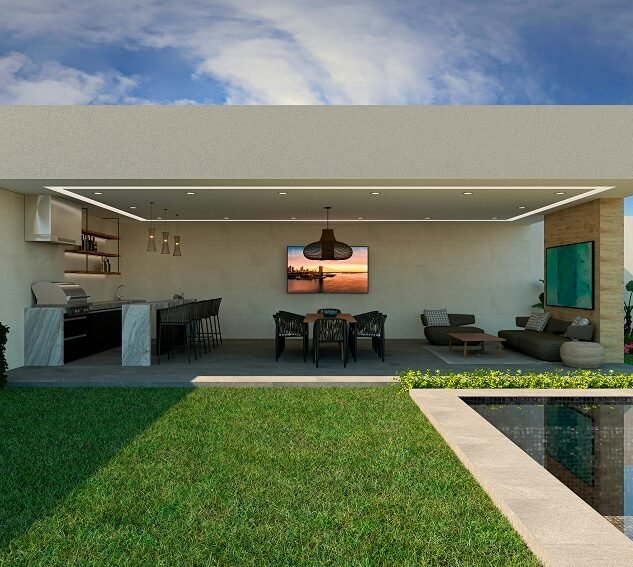
Creating a Family-Friendly Outdoor Space
Designing an outdoor area that is both safe and inviting for families requires careful consideration of various factors. A family-friendly outdoor space not only accommodates children but also provides adults with a comfortable and aesthetically pleasing environment. The first step is to assess the available space and determine how it can be effectively utilized to cater to the needs of all family members. Safety is paramount when creating an outdoor living area for families. This involves evaluating potential hazards such as sharp edges, toxic plants, and uneven surfaces. By implementing safety measures, such as rounded corners on furniture, using non-toxic materials, and ensuring proper drainage, parents can foster a secure play environment for their children. Landscaping choices should prioritize low-maintenance, safe plants and materials that offer durability while enhancing visual appeal.
In addition to safety, functionality plays a vital role in the design of a family-friendly outdoor space. Features should be integrated that cater to both children and adults. Design elements such as playgrounds, sandbox areas, or climbing structures can engage children in active play, while comfortable seating arrangements, fire pits, or outdoor dining areas provide adults with spaces for relaxation or entertainment. These features must be strategically placed to ensure that supervision remains easy for parents while allowing children the freedom to explore.
Aesthetics should not be overlooked in the design process. An inviting outdoor space can be created through the thoughtful selection of furniture, decorations, and landscaping. A cohesive color palette, seasonal blooms, and attractive lighting can enhance the ambiance, making the area more welcoming. Additionally, utilizing natural elements such as wood and stone can help to create a seamless transition between indoor and outdoor environments.
By striking a balance between functionality and aesthetics, families can create an outdoor area that is not only engaging for children but also a delightful retreat for adults. Ultimately, a well-designed outdoor living space strengthens family bonds and encourages communication, leisure, and play.
Incorporating Nature into Your Outdoor Living Space
Integrating natural elements into your outdoor living space is pivotal for creating a relaxing and inviting environment for your family. The benefits of incorporating plants, flowers, and trees go beyond aesthetics; they also enhance the quality of life and foster connections among family members. By leveraging these natural features, you can transform any outdoor area into a serene retreat.
Firstly, plants play a crucial role in this transformation. They not only beautify the space but also improve air quality and promote a sense of wellbeing. Choosing a variety of plants, such as flowering shrubs, ornamental grasses, or even herbs, can add color, texture, and fragrance to your outdoor area. These elements can encourage family interaction as everyone pitches in to care for the garden or enjoy the harvest from an herb garden.
Similarly, the strategic placement of trees adds both shade and structure to your outdoor living space. A large tree can become a central feature, offering a natural canopy for family gatherings. This sheltered area provides a comfortable spot for relaxation and social interaction, especially during warm summer days. It is also worth noting that trees attract various wildlife, creating an engaging atmosphere for children to observe nature in action.
Moreover, flowers can significantly impact the ambiance of your outdoor area. Seasonal blooms bring vibrancy and life, stimulating all the senses and providing natural beauty throughout the year. Planting a flower bed can encourage family activities, such as gardening or simply enjoying the visual delight they bring.
Lastly, natural light has a profound effect on the overall feel of your outdoor space. Incorporating design elements that emphasize light—such as open canopies, pergolas with climbing vines, or strategically placed mirrors—can create an inviting atmosphere. These elements not only enhance aesthetics but also provide numerous benefits for family gatherings and activities. By thoughtfully incorporating these natural aspects, you can cultivate a harmonious outdoor living space that becomes a cherished family haven.
Outdoor Fun and Play Areas for Children
Creating dedicated outdoor play zones for children is essential for fostering their development and encouraging physical activity. These spaces not only serve as a retreat for play but also act as a crucial element in promoting healthy lifestyles. Ensuring safety and creativity in design can transform any backyard into a haven for children.
One of the most popular features in children’s outdoor play areas is playground equipment. Structures equipped with slides, swings, and climbing walls can provide hours of entertainment while also enhancing children’s physical skills. When selecting playground equipment, safety should be a primary concern. It is advisable to choose equipment with rounded edges, use non-toxic materials, and ensure there is adequate surfacing underneath to cushion any falls.
Another excellent addition to any play area is a sandbox. A well-designed sandbox encourages imaginative play while also allowing children to engage in sensory activities. When building a sandbox, consider incorporating seating around its perimeter for parents to supervise playtime comfortably. Additionally, providing toys like buckets, shovels, and molds can inspire creativity and collaborative play among children.
For families looking to incorporate unique features into their outdoor spaces, consider themed installations such as a mud kitchen or a mini-garden. These elements not only enhance the play zone but also educate children about nature and cooperation. A mud kitchen allows kids to experiment with mixing mud, water, and natural materials, while a mini-garden can teach them responsibility through plant care and gardening. Such creative play features emphasize the value of outdoor exploration and foster a sense of adventure.
Encouraging outdoor play is vital for children’s well-being. These dedicated zones not only provide an escape from screens but also promote social interaction among peers. By designing safe and stimulating play areas, families can create an environment that nurtures healthy growth and lifelong love for outdoor activities.
Cozy Seating Arrangements for Family Gatherings
Creating a welcoming outdoor seating area is essential for family gatherings, providing comfort and functionality for all ages. Family-friendly outdoor seating options can significantly enhance the enjoyment of events such as barbecues, birthday parties, or simply relaxing evenings. A few strategic choices in seating arrangements can make a substantial difference in fostering a cozy atmosphere.
One popular option is the use of sectional sofas, which can be configured to fit the unique shape of your outdoor space. These versatile pieces can provide ample seating for multiple people while ensuring that everyone remains engaged in conversation. Adding soft cushions and throws can heighten comfort, tempting family members to linger longer. When arranging sectional sofas, it’s essential to position them in a way that encourages interaction, such as forming a circular arrangement for easy conversation flow.
Alternatively, consider a combination of various seating types, such as benches, single chairs, and soft poufs. Mixing different textures and styles can add visual interest while accommodating varying preferences among family members. For instance, a long wooden bench can offer a rustic charm while providing sufficient seating during larger gatherings. Folding chairs can also be a practical choice, as they are easy to store yet efficient in providing extra seating when needed.
Furthermore, consider the layout of your outdoor space when arranging seating. It’s beneficial to create distinct areas for relaxation and dining. Placing a cozy seating circle away from the dining table can allow for informal discussions, while a nearby table can serve meals or snacks. Ensuring ample space for movement is also crucial so that guests can navigate comfortably without feeling cramped.
While aesthetics play an important role, comfort and usability should be primary considerations when selecting outdoor furniture. Durable materials that withstand the elements while offering comfort are essential. Selecting high-quality cushions, weather-resistant fabrics, and sturdy constructions can assure the longevity of your seating arrangements, making them a perfect choice for numerous family gatherings.
Outdoor Dining Spaces: Bringing Family Meals Outdoors
Creating an inviting outdoor dining area can significantly enhance family meals and contribute to a more enjoyable and memorable experience. When establishing this space, it’s crucial to consider elements such as tables, seating, and cooking facilities that cater to the needs of the whole family.
First and foremost, selecting the right outdoor dining table is critical. Opt for a table that is sturdy and weather-resistant, ensuring longevity despite exposure to the elements. Rectangular tables tend to accommodate more people, while round tables create a more intimate atmosphere. Consider materials like aluminum or teak, which are durable and require minimal upkeep, making them suitable for outdoor use.
Seating is another essential aspect of outdoor dining spaces. Comfort should be a priority, as family meals often involve long periods of sitting together. Chairs with cushions or loungers that have a more relaxed feel can enhance comfort. Additionally, providing a mixture of seating options, such as benches and chairs, allows for more flexibility during gatherings. It’s also advisable to ensure that the seating arrangements encourage conversation and interaction among family members.
Another vital component is outdoor cooking facilities. Whether it is a full-fledged outdoor kitchen or a simple grill, these facilities can elevate the dining experience significantly. Installing a built-in grill offers convenience for spontaneous barbecues, while complementing this with a countertop for food preparation can streamline cooking and serving. If space allows, incorporating an outdoor bar area can further enhance the dining experience, allowing family members to enjoy drinks while meals are being prepared.
Finally, consider the ambiance of the space. Lighting is instrumental in creating a warm atmosphere, especially for evening meals. String lights or lanterns can provide a soft glow, while table centerpieces can add a personal touch. With thoughtful planning and design, outdoor dining areas can become cherished family spaces where memories are made over delightful meals.
Creating Shade and Comfort in Outdoor Spaces
When designing outdoor living spaces, one of the primary considerations is ensuring comfort regardless of the weather conditions. This includes providing adequate shade, which is essential for enjoying these areas during hot sunny days as well as creating a cozy environment during cooler evenings. Effective shade solutions not only enhance the usability of a space but also contribute to the overall aesthetic appeal.
One popular option for providing shade is the use of umbrellas. Available in various sizes and styles, outdoor umbrellas can be easily positioned over dining tables, lounge chairs, or other seating areas. They offer the flexibility of being moved as needed, allowing families to adapt their outdoor space according to the sun’s position. With advancements in design, many umbrellas are now wind-resistant and can provide UV protection, making them safe and practical for all-day use.
Pergolas are another stylish approach to creating shade and comfort in outdoor spaces. These structures consist of vertical posts and crossbeams, which can support climbing plants or fabric canopies, offering a blend of natural beauty and protection from the elements. By incorporating a pergola in your outdoor area, families can enjoy the benefits of filtered sunlight while also having a defined space for seating and relaxation. Additionally, retractable canopies can be added to pergolas for versatility, allowing users to adapt the coverage based on weather conditions.
Shade sails are also an innovative and modern solution for outdoor shading needs. Typically made from high-density polyethylene, these fabric structures are suspended between points, creating a striking visual while providing substantial protection from direct sunlight. They can be arranged in various shapes and colors, making them an excellent option for adding character to a yard or patio. Moreover, shade sails can be effective for large areas, making them suitable for family gatherings or play areas for children.
Incorporating these shading elements into outdoor living spaces not only enhances comfort but also encourages families to spend more time outdoors, enriching their lifestyles and creating lasting memories together. Ultimately, the right combination of shading solutions can transform any outdoor area into a beautifully inviting and functional space.
Outdoor Lighting Ideas to Enhance Family Spaces
As the sun sets and darkness envelops your outdoor living area, the right lighting can transform these spaces into inviting environments for family gatherings and activities. Effective outdoor lighting not only adds a layer of safety but also enhances the aesthetic appeal of any gathering. Here are several ideas on how to incorporate safe and effective lighting solutions to elevate your family’s outdoor experience during evening hours.
One option is to utilize string lights, which are a popular choice for creating a warm and festive atmosphere. They can be draped from trees or pergolas, providing a soft glow that promotes relaxation and conversation. Additionally, string lights come in various styles, allowing you to select designs that complement your home’s architecture.
Another practical idea is the use of LED pathway lights to illuminate walkways and prevent accidents in darker areas. These lights can be installed along garden paths or driveways, guiding family and friends toward your outdoor gathering spots. Solar-powered options are particularly advantageous because they require no wiring and charge during daylight hours, making them an eco-friendly solution.
Furthermore, incorporating lanterns or candles can add a cozy touch to your outdoor space. Battery-operated lanterns are easy to place around seating areas, while candles can be used on tables for a charming ambiance—just ensure they are placed in safe containers to prevent any fire hazards.
Lastly, consider investing in dimmable floodlights or spotlights to highlight specific features of your garden, such as trees or sculptures. This type of lighting not only adds depth to your landscape but also creates focal points that draw attention and admiration, thus enhancing the overall atmosphere.
Overall, integrating various outdoor lighting solutions creates a welcoming environment that encourages families to utilize their outdoor spaces after dark. The combination of string lights, pathway illumination, and atmospheric lanterns can make a significant difference, enhancing the usability and enjoyment of family gatherings.
Incorporating Outdoor Activities for Family Bonding
Creating an outdoor living space for families not only enhances the aesthetic appeal of one’s home but also fosters a range of activities that contribute to family bonding. Engaging in outdoor activities allows families to connect with nature while enjoying quality time together.
One of the most beloved family activities is gardening. Designing a garden space with accessible raised beds can make gardening enjoyable for family members of all ages. Families can work together to plant flowers, vegetables, or herbs, sparking discussions about nature and nutrition. Gardening instills a sense of responsibility and teamwork among family members. Moreover, it offers opportunities for children to learn about plant care, pest management, and the environment.
In addition to gardening, outdoor sports and games can be a vital part of family bonding. A well-designed outdoor space can include elements like a small basketball hoop, a soccer goal, or even a designated area for games such as badminton or cornhole. Families can set aside specific times during the week to engage in these physical activities, promoting both health and team spirit.
Furthermore, incorporating picnic areas with tables and seating can encourage families to enjoy meals outdoors. Organizing meals in the garden or backyard enhances the experience of dining together and provides an opportunity for conversations free from distractions. Barbecues and outdoor feasts can become family traditions, celebrated together under the sky.
Ultimately, the design of an outdoor living space should facilitate interaction and communication. Areas with comfortable seating, like hammocks or lounge chairs, can encourage quiet conversations while enjoying the fresh air. Creating paths or clearings that invite exploration can also lead to spontaneous adventures, enriching family interactions.
By integrating various outdoor activities into the living space, families can strengthen relationships. Shared experiences in the outdoors not only provide enjoyment but also create lasting memories, making the home a hub for love and connection.
Sustainability in Outdoor Living Designs
The concept of sustainability has become increasingly vital in the development of outdoor living spaces, particularly for families seeking to harmonize their recreational areas with environmental responsibility. In designing these spaces, it is essential to incorporate eco-friendly materials and practices that reduce carbon footprints and promote biodiversity.
One fundamental aspect of sustainable outdoor design is the selection of materials. Opting for recycled or reclaimed materials can significantly lessen the demand for new resources and decrease waste. Eco-conscious families may consider using materials such as bamboo, which is both renewable and durable, or recycled composites for decking, furniture, and landscaping elements. These choices not only contribute to a lower environmental impact but also lend a unique aesthetic to outdoor spaces.
Water-wise landscaping is another critical component of sustainability in outdoor living areas. Incorporating native plants that require minimal watering helps to create a thriving ecosystem while reducing the need for irrigation. Rain gardens, permeable paving, and drought-resistant plant selections can also contribute to effective stormwater management, preventing runoff and promoting groundwater recharge. Moreover, these elements create a vibrant and sustainable environment that benefits both the family and local wildlife.
Beyond aesthetics and practicality, creating an environmentally responsible outdoor living area encourages families to engage with nature in more meaningful ways. A well-designed sustainable space can serve as a teaching tool about conservation practices and the importance of environmental stewardship. By involving children in gardening or wildlife observation, families can instill a sense of responsibility towards nature.
In conclusion, integrating sustainability into outdoor living designs transforms these areas into eco-friendly retreats. By utilizing sustainable materials and incorporating water-wise landscaping strategies, families can enjoy beautiful, functional spaces that contribute positively to the environment.