


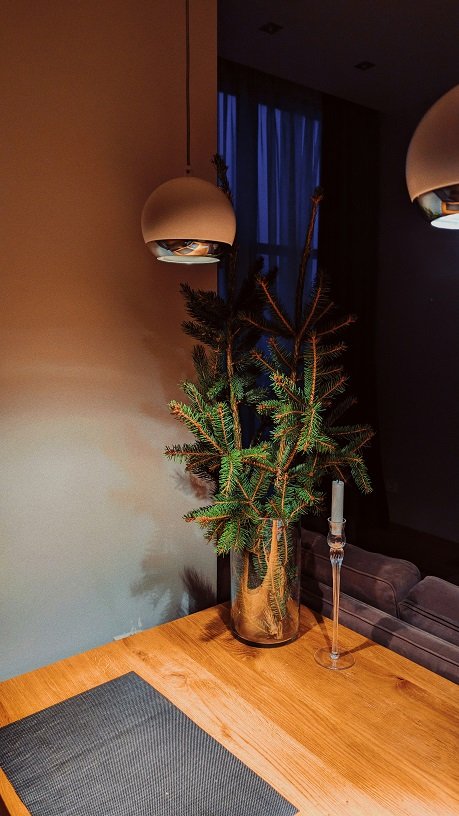
Understanding Minimalism in Home Design
Minimalism, often described as a design approach characterized by simplicity and functionality, has its roots deeply embedded in various cultural and artistic movements throughout history. Emerging in the mid-20th century, this approach sought to strip away excess and focus on the core elements that enhance our living environments. In home design, minimalism emphasizes the idea that less is more, encouraging homeowners to embrace open spaces, clean lines, and a thoughtful selection of essential décor. The philosophy guiding minimalism suggests that by reducing clutter and unwanted distractions, individuals can create serene spaces that promote peace and clarity. This design ethos is not merely about aesthetic appeal but also extends to the functionality of spaces. Minimalist home design prioritizes the essential elements that are necessary for everyday life while eliminating the non-essential items that can overwhelm both physical and mental spaces. Central to the principles of minimalist aesthetics is the concept of harmony. For instance, the careful selection of materials—such as natural wood, glass, and metal—coupled with a neutral color palette plays a crucial role in creating calming atmospheres. Each item in a minimalist home is chosen for its beauty and utility, reflecting the belief that every component should serve a purpose while contributing to an overall cohesive design.
Adopting a minimalist approach in home design brings numerous benefits. It encourages organization and cleanliness, simplifies maintenance, and fosters a sense of tranquility. Moreover, it allows homeowners to focus their resources on quality over quantity, investing in durable, high-quality furnishings that enhance their living spaces without overwhelming them. As individuals continue to explore minimalism in their homes, they often find that this guiding principle leads to not only a more aesthetically pleasing environment but also a more fulfilling lifestyle.
Key Elements of Minimalist Design
Minimalist home design is characterized by simplicity and functionality, focusing on essential elements that create a serene and uncluttered environment. The first fundamental aspect is the color palette. Neutral colors such as whites, grays, and beiges dominate minimalist spaces, promoting a calm atmosphere. These tones not only enhance the perception of space but also serve as an ideal backdrop for accent pieces, allowing them to stand out without overwhelming the design.
Another crucial component is furniture selection. In minimalist design, every piece of furniture should serve a purpose while maintaining an aesthetic appeal. Modular furniture, which can be easily reorganized or reconfigured, is often favored, as it allows for flexibility in small spaces. The focus is on high-quality craftsmanship and materials, ensuring that each item contributes to the overall design philosophy of simplicity and elegance.
Decluttering plays a significant role in achieving a minimalist look. This involves more than just removing excess items; it requires a mindful approach to belongings, keeping only those that are meaningful or functional. A well-organized space enhances the peaceful ambiance associated with minimalist living. Additionally, the effective use of natural light is essential. Large windows and open spaces help to bring in light, reducing the need for artificial illumination during the day and further promoting a sense of openness.
Moreover, choosing the right materials and textures greatly influences the overall aesthetic of minimalist design. Natural materials such as wood, stone, and metal are preferred for their timeless quality and sustainability. These textures create a tactile experience that complements the simplicity of the overall design, adding depth without compromising the minimalist ethos. By thoughtfully integrating these elements, one can cultivate a home environment that is both functional and visually calming.
Choosing a Minimalist Color Palette
When crafting a minimalist home design, the selection of colors is paramount as it influences the overall ambiance and aesthetic of a space. A minimalist color palette typically revolves around the use of neutral shades, which not only provide a clean and uncluttered look but also enhance the sense of space and tranquility. Common neutral colors include whites, creams, beiges, and grays. These tones create a serene background that allows the architecture and decor to shine without overwhelming the senses.
In incorporating accent colors into a minimalist design, it is essential to use them sparingly. A carefully chosen accent color can infuse vibrancy and a personal touch into an otherwise subdued environment. For example, a singular deep blue or a rich emerald green cushion can add a pop of sophistication to an otherwise monochromatic living room. Such thoughtful additions should complement the overall color scheme rather than compete with it, maintaining the simplicity that defines minimalism.
The psychological effects of color also play a critical role in minimalist home design. Lighter colors often have a tendency to make spaces feel larger and more airy, inviting a sense of openness. On the other hand, darker shades may create a cozy atmosphere, making a room feel more intimate. Furthermore, research suggests that certain colors can evoke specific emotions; for instance, blues are known for their calming effects, while yellows can stimulate creativity and cheerfulness. Thus, when choosing colors for a minimalist design, it is vital to consider not only aesthetics but also the emotional response they may elicit.
Successful color combinations in minimalist settings often involve contrasts that emphasize simplicity. A perfect example is the pairing of stark white walls with deep charcoal accents or natural wooden elements. This combination balances warmth and tranquility while highlighting the beauty of minimalism. By thoughtfully selecting a minimalist color palette, one can create a harmonious environment that embodies simplicity while remaining visually appealing.
Furniture Selection for a Minimalist Home
Choosing the right furniture is essential for achieving a minimalist home that embodies simplicity and functionality. One of the primary principles of minimalist design is the emphasis on multifunctional furniture. This type of furniture serves more than one purpose, helping to reduce clutter and maximize space. For instance, a coffee table that includes storage underneath can serve as both a decorative piece and a practical solution for stashing away belongings, aligning perfectly with minimalist principles.
In addition to multifunctionality, clean lines are a hallmark of minimalist design. Selecting furniture with simple silhouettes contributes to an airy and uncluttered aesthetic. Sofas and chairs with sleek profiles, devoid of ornate detailing, create a sense of calm and sophistication. This style not only looks elegant but also enhances the visual space within a room, allowing each piece to be appreciated without overwhelming the senses.
Moreover, in the realm of minimalist home design, quality is of paramount importance. Investing in fewer but higher-quality pieces of furniture ensures that each item is durable and timeless. When selecting furnishings, consider materials that stand the test of time, such as solid wood, metal, or quality upholstery. Such choices often lead to a more sustainable lifestyle, as they minimize the need for frequent replacements and reduce overall waste.
Are you unsure of how to arrange these selected pieces most effectively? Start by considering the flow of the space. Ensure there is enough room to move comfortably and that each piece complements the others without creating visual clutter. Grouping furniture to create defined areas, like a reading nook with a chair and lamp, enhances functionality while maintaining simplicity.
In conclusion, selecting furniture for a minimalist home involves a thoughtful approach that prioritizes multifunctionality, clean lines, and quality over quantity. By making intentional choices and arranging those items effectively, you can create a space that resonates with tranquility and peace while adhering to minimalist design principles.
The Art of Decluttering
Decluttering is a fundamental aspect of achieving a minimalist home design. To effectively embark on this journey, it is essential to assess each item in your home with a critical eye. One practical method is the “Four-Box” technique, which involves labeling four boxes as “keep,” “donate,” “sell,” and “trash.” As you go through your belongings, place items into the appropriate box based on their usefulness and sentimental value. This approach allows for a systematic evaluation of possessions, making the process more manageable.
Another effective strategy involves the “30-Day Minimalism Game,” where you eliminate one item on the first day, two items on the second day, and so forth, culminating in 465 items by the end of the month. This not only allows for a gradual decluttering process but also encourages you to reflect on your attachment to material possessions. The goal is to remove items that no longer serve a purpose in your life, thereby creating a more organized and tranquil living space.
The benefits of a clutter-free environment extend beyond aesthetics; a clean home fosters mental clarity and reduces stress. Numerous studies suggest that individuals who live in organized spaces experience lower levels of anxiety and greater focus. Moreover, maintaining this decluttered state can be sustained through proactive organization habits. Implementing a rule, such as the “one in, one out” technique—wherein you commit to removing an item for every new item you acquire—ensures that your space remains free of unnecessary clutter.
Routine assessments of your belongings will also reinforce your commitment to minimalism. Set aside time periodically to evaluate new possessions and reflect on their value, helping you maintain the clarity and calmness associated with a minimalist lifestyle. Ultimately, embracing the art of decluttering is a transformative step towards not only minimalist home design but also an overall enhancement of well-being and life quality.
Incorporating Natural Light
Natural light plays a crucial role in minimalist home design, offering not only aesthetic benefits but also contributing to the overall well-being of the inhabitants. By maximizing natural light, homeowners can create spaces that feel more open, airy, and inviting. This can lead to a more serene environment, which aligns perfectly with the principles of minimalism.
To begin with, choosing the right window treatments is essential. Minimalist design advocates for simplicity and functionality, so it’s important to select options that facilitate light flow while maintaining privacy. Light-filtering sheer fabrics or simple roller shades can provide a balance between keeping a space private and allowing abundant sunlight to flood in. Additionally, opting for larger windows or even skylights can significantly enhance the natural illumination in a room, making it feel larger and more welcoming.
Furthermore, the strategic arrangement of furniture is vital for maximizing light in minimalist designs. Positioning furniture away from windows allows for unobstructed light paths and helps to create a sense of spaciousness. A well-thought-out layout can encourage light to bounce off walls and surfaces, increasing the overall brightness of the space. For example, low-profile furniture can enhance the flow of natural light, while avoiding bulky pieces minimizes visual clutter.
In summary, incorporating natural light into minimalist home design is about more than just aesthetics; it enhances the emotional and psychological dimension of living spaces. By choosing appropriate window treatments and arranging furniture strategically, one can cultivate an atmosphere that is not only brighter but also harmonizes with the minimalist ethos of simplicity and tranquility.
Creating Open Spaces
Open spaces play a crucial role in minimalist home design, fostering a sense of tranquility and freedom. By prioritizing spaciousness, the design not only enhances aesthetic appeal but also significantly influences the living experience. When planning a minimalist home, it is essential to consider layout choices that emphasize openness and light.
One effective strategy for designing floor plans that promote open spaces is to adopt a concept of fluid connectivity between rooms. Eliminating unnecessary walls and barriers allows for a seamless flow throughout the home. For instance, integrating the kitchen, dining area, and living room into one expansive space can encourage a communal atmosphere while making the area feel airier. Using large, open doorways or wide arches can further enhance this idea of interconnectedness without compromising privacy between spaces.
Architectural features can also contribute significantly to the perception of spaciousness. High ceilings can create an illusion of more volume, making rooms feel less constricted. Additionally, incorporating large windows and glass doors facilitates plenty of natural light, which enriches the living environment and enhances the openness of the space. Skylights, too, are an excellent solution, as they invite sunlight and provide a unique perspective of the outdoors.
To visually expand spaces, consider using a neutral color palette, which can promote a sense of harmony and serenity. Light colors, especially whites, creams, and other pastels, project a more open atmosphere. Furthermore, utilizing mirrors effectively can reflect light and create depth, further amplifying the visual appeal of a minimalist home.
In this way, the thoughtful arrangement of open spaces not only embodies the principles of minimalist design but also cultivates a soothing sanctuary. Emphasizing airiness and interconnectedness is essential in achieving a harmonious living environment centered on simplicity.
Sustainable Choices in Minimalist Design
Sustainability is an integral aspect of minimalist home design, emphasizing the importance of making environmentally friendly choices while maintaining aesthetic simplicity. In a world increasingly focused on environmental conservation, incorporating eco-friendly materials into a minimalist design not only enhances the visual appeal of a home but also contributes positively to the planet. Materials such as bamboo, reclaimed wood, and recycled metal are excellent choices for furniture and flooring, offering durability and a reduced environmental impact.
Moreover, utilizing energy-efficient appliances plays a crucial role in sustainable minimalist living. High-efficiency washing machines, refrigerators, and LED lighting can significantly lower energy consumption, making a minimalist home not only more eco-conscious but also cost-effective in the long run. Homeowners are encouraged to select appliances with high Energy Star ratings, which reflect superior energy efficiency, thereby contributing to lower utility bills.
In addition to material choices and appliances, adopting sustainable practices can enhance the overall minimalist ethos. Simple actions, such as composting, using natural cleaning products, and reducing water consumption, align perfectly with the minimalist philosophy of living with less. By focusing on such practices, individuals can further reduce their ecological footprint and promote a lifestyle rooted in respect for the environment.
The benefits of choosing sustainable options in minimalist design are manifold. Not only do they help preserve natural resources, but they also create healthier living spaces by reducing exposure to toxins and pollutants. Furthermore, sustainable homes often showcase unique character, as natural materials age beautifully over time, adding warmth and individuality to minimalist design.
Ultimately, embracing sustainability within minimalist architecture represents a harmonious blend of form and function. As designers and homeowners prioritize eco-friendly choices, it solidifies the commitment to creating spaces that are not only aesthetically pleasing but also environmentally responsible.
Maintaining a Minimalist Lifestyle
Adopting a minimalist lifestyle involves more than just implementing design choices within your home; it requires a shift in daily habits and a commitment to simplicity. To effectively maintain a minimalist lifestyle, establishing intentional routines is essential. One practical approach is to integrate decluttering sessions into your weekly or monthly schedule. Setting aside specific times each week to review possessions and eliminate items that no longer serve a purpose can significantly aid in keeping your space uncluttered and organized.
In addition to regular decluttering, utilizing organizational tools can enhance your ability to maintain a minimalist home. Investing in storage solutions that emphasize transparency and accessibility will allow you to easily keep track of your belongings. Consider options such as clear bins or labeled boxes, as these will help you avoid unnecessary repurchase of items that may already be available in your home, ensuring that your living environment remains functional and free from excess clutter.
Daily habits play a crucial role in sustaining a minimalist lifestyle. Simple practices such as adopting a “one in, one out” policy can prevent new items from accumulating in your home. By committing to remove one item for every new item acquired, you can maintain a balanced environment. Additionally, embracing digital alternatives can reduce the need for physical possessions, such as opting for e-books or digital subscriptions instead of purchasing hard copies.
It is also important to cultivate a mindset focused on gratitude and mindfulness. Regularly reflecting on what truly brings you joy and satisfaction can help reinforce your commitment to a minimalist lifestyle. This practice allows you to prioritize experiences and relationships over material possessions, leading to a more intentional way of living.
Overall, maintaining a minimalist lifestyle requires ongoing effort and awareness. By incorporating these habits and tools, you can create a serene and functional living environment that celebrates simplicity and intentionality.