


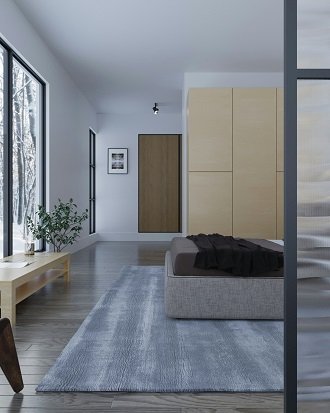
Understanding Small Bedroom Challenges
Designing a small bedroom can present a unique set of challenges that require careful consideration and creativity. One of the most prevalent issues is the limited floor space, which often forces homeowners to make tough decisions about furniture placement and overall layout. With a smaller area to work with, each piece of furniture must be thoughtfully chosen and strategically placed to create an inviting yet functional environment. Another significant challenge when dealing with compact bedroom spaces is the dilemma of storage. Without adequate closet space or room for additional furniture, maximizing storage becomes essential. This can lead to innovative solutions, such as utilizing under-bed storage, opting for multi-purpose furniture, or incorporating shelving that takes advantage of vertical space. The goal is to mitigate clutter while ensuring that essential items remain easily accessible.
Additionally, the impact of lighting and color cannot be overlooked when designing a small bedroom. Proper lighting is crucial not only for functionality but also for creating an illusion of more space. Natural light should be maximized where possible, and artificial lighting should be layered to avoid shadows and dark corners. Color choices also play a pivotal role; lighter hues can make a room appear more expansive, while dark colors may have the opposite effect. Utilizing a cohesive color palette with different shades can also add depth while maintaining an airy feel.
In conclusion, understanding the challenges of small bedroom design—ranging from limited floor space and storage constraints to considerations of lighting and color—can lead to more efficient and stylish solutions. The right approach can transform a compact area into a welcoming sanctuary that combines comfort and functionality without feeling overcrowded.
Color Schemes for Small Bedrooms
The selection of color in a small bedroom plays an integral role in shaping the perception of space. Using light colors is one effective strategy that helps to create an illusion of openness. Shades such as soft whites, pastel hues, and light grays reflect natural light, making the room appear larger and more airy. This effect is particularly beneficial in a constrained space where maximizing visual dimensions is essential.
Incorporating a monochromatic palette is another the approach to consider. By utilizing varying shades of a single color, one can maintain a cohesive look while adding depth. This technique avoids visual clutter and allows for subtle contrasts that enhance the space without overwhelming it. For instance, using a range of blues or greens can evoke a tranquil ambiance while still keeping the bedroom feeling spacious. The beauty of monochromatic schemes lies in their ability to blend seamlessly, creating a harmonious environment.
Strategic use of accent walls can also contribute positively to the overall design of small bedrooms. A bold accent wall painted in a deeper color can add character and draw the eye, creating visual interest. However, it is vital to choose the right wall; typically, the wall opposite the bed works best to anchor the room while avoiding an imposing aura. This enhances spatial perception by focusing attention, thus fostering a sense of balance in the overall design.
Furthermore, the psychology of color is significant in small bedroom design. Different colors can influence mood and feelings. For example, blues and greens are known for their calming effects, making them an excellent choice for a restful bedroom getaway. In contrast, yellows and soft oranges can infuse energy and warmth. Therefore, selecting colors not only for their ability to enhance space but also for their emotional impact can create a harmonious and functional small bedroom.
Smart Furniture Choices
When it comes to decorating a small bedroom, selecting the right furniture is crucial for optimizing the available space. Multifunctional furniture pieces have become essential in design approaches that aim to enhance utility without compromising style. One of the most effective choices is a bed with built-in storage drawers. These beds not only provide a comfortable sleeping area but also create valuable space for storing bedding, clothes, or other personal items. This type of design effectively reduces clutter and allows for better organization within the limited square footage.
Another innovative furniture option is foldable desks. As remote work and study become increasingly common, having a workspace that does not permanently occupy valuable floor space is vital. Foldable desks can be easily tucked away when not in use, providing flexibility and maintaining an open feel in the room. They are available in various styles, making them versatile enough to suit any aesthetic preference.
Wall-mounted shelves are another excellent space-saving solution for small bedrooms. These shelves efficiently use vertical space, allowing homeowners to display books, decorative items, or essentials without taking up any ground space. Wall storage can also help create a visually appealing focal point while providing much-needed organization. Additionally, considering pieces that can serve multiple functions, such as a storage ottoman or a convertible sofa, can significantly enhance the utility of a small bedroom. These options not only serve their primary purpose but also contribute to a more functional and stylish environment.
Incorporating smart furniture choices like these not only maximizes space but also enhances the overall aesthetic of a small bedroom, allowing it to function effectively while still being visually appealing.
Utilizing Vertical Space
In the realm of small bedroom design, the effective use of vertical space is crucial for maximizing both functionality and aesthetics. One of the most impactful strategies involves the installation of tall bookshelves. These not only provide ample storage for books and decorative items but also draw the eye upward, creating the illusion of height in the room. Opting for shelves that extend to the ceiling can further enhance this effect, making the room feel less cramped while simultaneously showcasing personal interests through thoughtfully arranged books and collectibles.
Another effective method for utilizing vertical space is through the incorporation of hanging plants. Vertical gardens or individual hooks can serve as excellent solutions for adding greenery without taking up precious floor space. Plants such as pothos or ferns thrive well in hanging arrangements and can contribute to a more airy and inviting atmosphere. This not only introduces a natural element to the room but also helps in drawing the eye upwards, reinforcing the sensation of a more spacious environment.
Wall art is a versatile option for enhancing vertical space, as it can complement both decor and the overall theme of your small bedroom. Choosing larger pieces or creating a gallery wall that embraces upward design can be particularly effective. Utilizing varying heights when arranging artwork can create visual dynamism and interest, compelling observers to look upwards and appreciate the elevation of the designs. Additionally, mirrors positioned on walls can also reflect light and imagery, further accentuating height and making the room feel larger yet cozier.
Finally, integrating vertical storage solutions such as tall dressers or cabinets can seamlessly blend practicality with design. Opt for furniture that has a sleek profile and minimal ornamentation to avoid overwhelming the small space. When strategically placed, these pieces can provide essential storage while also promoting the upward eye movement that is critical in small bedroom design.
Clever Storage Solutions
The challenge of maximizing space in a small bedroom often revolves around effective storage solutions. A well-organized bedroom not only creates an illusion of more space but also enhances functionality, making day-to-day life smoother. To achieve this, consider these innovative storage ideas designed specifically for smaller spaces.
One of the most effective strategies is to utilize the area beneath the bed. Investing in under-bed storage bins or drawers can provide ample space to store out-of-season clothing, shoes, or extra bedding. Additionally, consider bed frames with built-in drawers to seamlessly integrate storage while maintaining a clean look.
Another often-overlooked area is the back of doors. With the addition of over-the-door organizers or hooks, this space can serve as a functional solution for hanging items such as accessories, bags, or even lightweight coats. This not only keeps clutter off the floor but also makes frequently used items easily accessible.
Maximizing closet space is critical in a small bedroom. Using closet organizers, such as tiered hangers or hanging shelves, allows for better utilization of vertical space. For those who have a closet without built-in shelving, adding a few mounted shelves can dramatically increase the amount of available storage. Additionally, utilize clear bins or labeled boxes to store smaller items to ensure that the closet remains organized.
Lastly, consider multifunctional furniture. Ottomans or benches with hidden storage can serve dual purposes, providing both seating and storage. A foldable desk that can be tucked away will also free up space when not in use. Each of these solutions contributes to creating an organized and functional environment in your small bedroom.
Designing with Light
Effective use of both natural and artificial lighting plays a crucial role in the design of small bedrooms. Proper lighting can create a sense of openness and depth, making even the smallest spaces feel more expansive. In this section, we will explore various strategies for leveraging light to enhance the overall ambiance of your bedroom.
Placement of windows is fundamental in maximizing natural light. Ideally, windows should be positioned to allow sunlight to enter early in the morning, bathing the room in warm hues. Choosing sheer curtains instead of heavy drapes can also help in diffusing light and preventing it from being blocked. This allows for a soft, inviting glow while still maintaining privacy. Additionally, consider the size of the windows; larger windows can significantly increase natural illumination, providing a more airy atmosphere.
Mirrors are an excellent tool for reflecting light within a small bedroom. Strategically placing mirrors opposite windows can double the impact of natural light, giving the illusion of an expanded space. A large wall mirror can also serve as a focal point in the room, while smaller mirrors grouped together can create an appealing visual effect. When hung at various heights, they can reflect different aspects of the room, thereby enhancing its perceived dimensions.
Artificial lighting further contributes to the feel of space and should not be overlooked. Layering different types of lighting, such as ambient, task, and accent lighting, can significantly enhance the room’s functionality and aesthetics. Wall sconces and recessed lighting are great for small spaces as they take up minimal room and provide necessary illumination without the bulk of table lamps. Choosing fixtures with a reflective finish can also enhance brightness by bouncing light around the room.
Incorporating a strategic lighting plan that utilizes both natural and artificial sources can transform a small bedroom into a bright and inviting sanctuary. By considering the placement of windows, the use of mirrors, and the selection of appropriate lighting fixtures, you can create an environment that maximizes light, ultimately making the space feel larger and more open.
Incorporating Mirrors for Illusion
Mirrors are a powerful tool in the design of small bedrooms, as they can create the illusion of enlarged space. Utilizing mirrors effectively can significantly enhance the overall aesthetics while optimizing the available area. The art of mirror placement is crucial; strategically positioning mirrors can help reflect light and make a small room feel airier and more spacious.
When choosing mirrors, consider their size and shape. Large mirrors are highly effective in maximizing the sense of space, as they cover more wall area and reflect more light. A floor-to-ceiling mirror can be particularly impactful, drawing the eye upwards and giving the room an expansive feel. Additionally, opting for mirrors in various forms, such as round or elongated shapes, can add an interesting visual element while still serving the function of creating depth.
Placement is another vital aspect to consider. Positioning mirrors opposite windows allows for natural light to bounce around the room, enhancing brightness and warmth. Furthermore, mirrors placed on adjacent walls can also help in reflecting light, improving the sense of openness. It is also a good practice to integrate mirrors within furniture designs, such as mirrored nightstands or dressers, providing both functionality and style.
Maintaining a cohesive decor is essential when incorporating mirrors. The style of the mirror should complement the existing furnishings and color schemes. For example, a vintage frame may suit a bohemian style room, while a sleek, minimalist mirror works better in a modern space. This attention to detail ensures that mirrors serve not only as reflective surfaces but also as integral parts of the overall design.
Incorporating mirrors thoughtfully can dramatically alter the perception of space in small bedrooms, making them feel larger, brighter, and more inviting. Through careful selection and strategic placement, the power of mirrors in enhancing interior spaces becomes increasingly evident.
Personalization without Overcrowding
Making a small bedroom feel uniquely yours is an achievable goal, even within the constraints of limited space. Personalization in such spaces requires a thoughtful approach to avoid overcrowding while still showcasing your individual style. One effective strategy is to choose a limited number of cherished personal items and art pieces that resonate with you.
For instance, consider selecting a few framed photographs or pieces of artwork that evoke positive memories or emotions. By opting for a gallery wall, you can create a visually appealing focal point without cluttering surfaces. Utilizing vertical space by hanging artworks allows for personal expression while keeping the floor and tables clear, promoting a sense of openness.
Additionally, incorporating functional decor can enhance personalization without sacrificing space. Items such as decorative storage boxes or stylish organizers can house personal belongings while blending seamlessly with your room’s aesthetic. This not only keeps the room tidy but also ensures that each piece contributes to the overall design scheme.
Another avenue to explore is the use of textiles. Bedding and throw pillows in colors or patterns that reflect your style can add character and warmth to a small bedroom. Layering different textures through a carefully curated selection of fabrics can provide depth without overwhelming the senses.
Additionally, plants are an excellent choice for adding a personal touch. Indoor plants contribute a sense of life and tranquility, improving air quality while reflecting your personality. Choosing smaller plants that fit on windowsills or shelves ensures they don’t encroach on your limited space.
Ultimately, the key to personalization in a compact area is to strike a balance between individual expression and minimalism. By thoughtfully curating personal items, art, textiles, and greenery, you can create a small bedroom that feels like your sanctuary without compromising its spaciousness.
Final Tips for a Cohesive Look
Achieving a cohesive look in a small bedroom is essential for creating an inviting and functional space. In the pursuit of maximizing every inch, practical tips can help ensure that all aspects of the design work harmoniously together. One of the critical factors to consider is the balance of textures. Utilizing a variety of materials can add depth and interest to the room. For instance, mixing soft textiles such as throw pillows and bedding with harder elements like wooden furniture can create a welcoming juxtaposition.
Color coordination also plays a vital role in small bedroom designs. Choosing a consistent color palette that resonates with the overall theme helps unify the space. Neutrals can serve as a perfect base, providing a calm backdrop, while pops of color can be introduced through accessories like artwork, cushions, or rugs. This technique not only adds visual interest but also keeps the environment feeling open and spacious.
Functionality is equally important. Every piece of furniture should serve a purpose and be thoughtfully considered to avoid overcrowding the space. Multifunctional furniture, such as a bed with built-in storage or a desk that can also serve as a nightstand, can significantly enhance the usability of the room. Additionally, keeping the layout open and clear of obstructions allows for easy movement, which is essential in smaller spaces.
Lighting should not be overlooked in the design process. Natural light can make a small bedroom feel more expansive, so using sheer curtains or strategically placing mirrors can help enhance brightness. Incorporating different types of lighting, such as ambient, task, and accent lights, can create an inviting atmosphere while improving the room’s functionality.
In conclusion, by skillfully balancing textures, coordinating colors, and ensuring functionality within a small bedroom design, you can create a space that feels both aesthetically pleasing and practical. Taking these factors into account will lead you towards developing a harmonious retreat that you will love to call your own.