


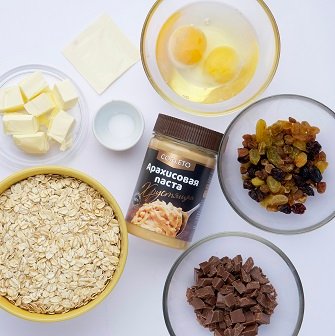
Introduction to Baking
Baking basics is a delightful and rewarding pursuit that has captivated individuals for centuries. Its roots trace back to ancient civilizations, where the first forms of bread were created using simple ingredients and heat sources. Over the years, baking has evolved into an intricate art that combines creativity with precision, allowing people to express themselves through delectable creations. The process of baking is often seen as a harmonious blend of science and artistry. On one hand, it requires an understanding of ingredients, measurements, and chemical reactions for example, knowing how baking powder works to make a cake rise. On the other hand, baking offers the opportunity for artistic expression through decoration, flavor combinations, and innovative techniques. Whether one is crafting a classic loaf of bread or an elaborate pastry, each recipe is a canvas for creativity.
Beyond its technical aspects, baking is also cherished for the sense of joy and satisfaction it brings. Many people find the act of creating baked goods to be a therapeutic experience, a way to unwind after a long day. The aroma of freshly baked bread or cookies wafting through the home can evoke memories, stir emotions, and create a comforting atmosphere that enhances life’s moments. Additionally, sharing baked treats with family and friends fosters relationships and creates shared experiences that can be cherished for a lifetime.
As baking so beautifully marries the elements of art and science, it is a skill that can be both practical and enjoyable. Gaining the ability to bake not only enables one to provide delightful snacks and desserts for oneself and loved ones but also cultivates patience and attention to detail. With the right guidance and an adventurous spirit, anyone can embark on a baking journey filled with discovery and delight.
Essential Baking Ingredients
Baking is a delightful and rewarding culinary activity, and understanding the essential ingredients is vital for achieving optimal results. At the heart of most baking recipes lie a few fundamental components: flour, sugar, eggs, butter, and leavening agents.
Flour is a primary ingredient in countless baking recipes. It provides structure and stability to baked goods. All-purpose flour is versatile and can be used in a variety of recipes, but specialty flours such as whole wheat, almond, and cake flour serve specific purposes as well. When selecting flour, it is advisable to check for quality indicators such as freshness and protein content, as these factors influence texture and flavor.
Sugar not only adds sweetness to your treats but also plays a crucial role in texture and browning. Granulated sugar is the most common type used in baking, but brown sugar and powdered sugar each lend distinct qualities to recipes. When substituting sugar, one should consider the effects on moisture and flavor, as different types of sugar may yield varying results.
Eggs serve multiple purposes in baking, providing moisture, richness, and acting as a binding agent. Fresh eggs are typically recommended for their superior flavor and performance. If eggs are a concern due to dietary restrictions, alternatives such as applesauce or ground flaxseed can effectively substitute this ingredient in many recipes.
Butter is an integral component that adds flavor and creates a tender texture in baked goods. When selecting butter, opt for unsalted butter to maintain control over the salt content in your recipes. For those seeking alternatives, options such as margarine or vegetable oil may work, though they can alter the final outcome slightly.
Lastly, leavening agents like baking soda and baking powder are essential for helping baked goods rise and achieve a light texture. Understanding the specific role each leavening agent plays is crucial, as improper use can lead to dense or poorly risen products. When selecting these agents, ensure they are fresh and stored properly to maintain their effectiveness.
In conclusion, choosing high-quality ingredients is paramount in baking. Familiarizing oneself with the characteristics of each essential baking ingredient can greatly enhance both the process and the final product of your culinary creations.
Basic Baking Techniques
Baking is a delightful culinary art and understanding fundamental techniques is paramount for anyone looking to excel in the kitchen. One critical skill is measuring ingredients accurately. Precision in baking is essential since the chemistry of baking relies heavily on specific ingredient proportions. For dry ingredients, using a scale is the most accurate method. For liquids, using clear measuring cups designed for wet ingredients is advisable. Always level off dry ingredients with a straight edge to ensure you are using the exact amount specified in your recipe.
Mixing methods also play a significant role in the success of baked goods. The creaming method is frequently used for cakes and cookies. This technique involves beating butter and sugar together until light and fluffy, creating air pockets that help the final product rise. On the other hand, the folding method is employed for delicate mixtures, such as soufflés or whipped cream, to preserve volume. In this technique, a spatula is used to gently incorporate ingredients without deflating the mixture.
Oven settings can vary significantly and influence the baking process. Preheating the oven to the correct temperature is crucial as it ensures even cooking. An oven thermometer can be a useful tool to confirm the temperature is accurate; sometimes, home ovens can be off by several degrees. Additionally, understanding where to place baking sheets in the oven is important; typically, the center rack provides even heat distribution. Beginners should also consider investing in quality bakeware, as it can impact baking results.
Finally, it is beneficial for novice bakers to practice patience. Baking requires time, from allowing dough to rise to letting cookies rest after baking. These practices will significantly enhance baking skills and lead to more successful results. Developing these foundational baking techniques will empower anyone to approach baking with confidence and creativity.
Quick and Easy Cookie Recipes
Cookies are a beloved treat that can be easily made at home with minimal ingredients. Below, we present several simple cookie recipes that are not only quick to prepare but also customizable according to your preferences. Whether you enjoy classic flavors or wish to experiment with unique twists, these recipes will cater to everyone’s taste.
One of the simplest cookie recipes to start with is the basic sugar cookie. To make this, you will need flour, sugar, butter, and an egg. Mix these ingredients together until a dough forms, then roll it out and cut it into desired shapes. To personalize your sugar cookies, try adding sprinkles, zest from lemons or oranges, or a hint of vanilla for added flavor.
Another favorite is the chocolate chip cookie. This classic can be prepared using the same base ingredients as the sugar cookie, with the addition of semi-sweet or dark chocolate chips. For variations, consider incorporating nuts such as walnuts or pecans, or even substituting some of the all-purpose flour with oat flour for a different texture. Combining milk and white chocolate chips can also result in a delightful contrast in flavor.
If you are looking for a healthier option, oatmeal cookies provide a fantastic alternative. The base consists of oats, bananas, and a bit of peanut butter. These ingredients come together to create a chewy texture that’s satisfying and wholesome. For a personal touch, add raisins, cocoa powder, or cinnamon to enhance the flavor profile.
Lastly, do not overlook the versatility of snickerdoodles. These soft cinnamon-sugar cookies can be made with the same base and rolled in a mixture of sugar and cinnamon before baking. This gives them a deliciously sweet and spicy flavor, making them a quintessential treat for any occasion.
These quick and easy cookie recipes accommodate various tastes and preferences while ensuring a delightful baking experience for all. Exploring these options encourages creativity, and the chance to make them your own truly enhances the enjoyment of baking cookies.
Simple Muffin and Cupcake Recipes
Muffins and cupcakes are delightful baked goods that offer versatility and ease of preparation, making them ideal for both novice bakers and experienced cooks. Below is a selection of easy recipes for muffins and cupcakes that not only cater to basic flavors but also incorporate variations to suit different tastes.
To start with muffins, a classic choice is the Banana Muffin. Begin by preheating your oven to 350°F (175°C) and lining a muffin tin with paper liners. In a mixing bowl, combine 1 cup of mashed ripe bananas, ½ cup of sugar, and 1 egg, mixing thoroughly. Then, add 1 cup of all-purpose flour, ½ teaspoon of baking soda, and a pinch of salt. Stir until just combined. Divide the batter evenly among the muffin cups, filling each about two-thirds full, and bake for 18-20 minutes or until a toothpick inserted comes out clean.
For a variation, consider Blueberry Muffins. Follow the same procedure as above but incorporate 1 cup of fresh or frozen blueberries into the batter before baking. This adds a burst of flavor and nutrition. Another popular option is the Chocolate Chip Muffin, which replaces blueberries with ½ cup of chocolate chips for a sweeter treat.
Shifting focus to cupcakes, an easy recipe is the Vanilla Cupcake. Begin by creaming together ½ cup of softened butter and 1 cup of sugar until light and fluffy. Add 2 eggs and 1 teaspoon of vanilla extract, mixing well. To this mixture, incorporate 1 ½ cups of self-rising flour and ½ cup of milk, alternating between the two until the batter is smooth. Pour the batter into a lined cupcake pan and bake at 350°F (175°C) for 15-18 minutes, or until a toothpick tests clean.
For a chocolate variation, simply substitute ¾ cup of the flour with unsweetened cocoa powder. Decorate your cupcakes post-baking with frosting of your choice for an additional touch of flavor.
These simple muffin and cupcake recipes are not only easy to make but also provide the opportunity for customization based on personal preferences. Enjoy experimenting with various ingredients to find your favorite combinations!
No-Fuss Bread Recipes
Baking bread at home can seem daunting to many, but it doesn’t have to be. In this section, we will explore a selection of straightforward bread recipes that do not require special techniques or extensive rising times, making them ideal for bakers of all skill levels.
One of the simplest ways to enjoy home-baked bread is through no-knead bread. This method relies on a longer fermentation period, which develops flavor and texture without the need for intensive kneading. To make a basic no-knead bread, you typically combine flour, water, yeast, and salt in a bowl, mix until just combined, then cover and let it rise at room temperature for 12 to 18 hours. Once the dough has doubled in size, you shape it gently and let it rest before baking in a preheated dutch oven. This method results in a crusty loaf with a chewy interior and requires minimal effort.
Another excellent option is quick breads, which are leavened with baking powder or baking soda instead of yeast. This type of bread can be prepared in a matter of minutes, making it perfect for those who want fresh bread without the wait. A popular quick bread recipe is banana bread, which combines ripe bananas, flour, sugar, eggs, and a leavening agent. The batter is mixed and poured into a loaf pan; then, it’s baked until golden. The result is a moist, flavorful loaf that can be enjoyed for breakfast or as a snack.
These no-fuss recipes provide a wonderful introduction to bread baking. They empower anyone interested in home baking to try their hand at making delicious bread without overwhelming complexity. With just a few simple ingredients and minimal fuss, you can experience the joy of baking bread at home, discovering unique flavors and textures along the way.
Delicious Dessert Bars
Dessert bars offer a wonderful convenience that appeals to both novice and experienced bakers. These treats typically require minimal ingredients and can be prepared using just a single pan, making them a practical choice for those looking to whip up something sweet with ease.
One of the simplest and most delightful dessert bar recipes is the classic blonde brownie. Made with butter, brown sugar, and eggs, these rich and chewy bars bring a caramel-like flavor that will satisfy any sweet tooth. They can easily be customized by adding nuts, chocolate chips, or even swirls of peanut butter for an extra touch. The beauty of blonde brownies lies in their straightforward preparation; everything is mixed together in one bowl, poured into a baking pan, and baked until golden.
Another fantastic option is fruit bars, which can incorporate a variety of fruits depending on the season. A popular version features a buttery crust topped with a layer of mixed berries or slices of fresh peaches. Simply prepare the crust, layer the fruit on top, and finish with a sprinkle of oats or a crumble topping before baking. This not only enhances the flavor but also adds texture, making these dessert bars a delightful treat.
For those who prefer a more adventurous blend, consider crafting a chocolate chip cookie bar infused with coconut or a rich brownie base topped with mint frosting. The options are as limitless as your imagination and pantry supplies. Each of these dessert bars demonstrates that simple ingredients can come together in delectable ways, easily appealing to various tastes.
These easy dessert bar recipes, including blonde brownies and fruit bars, showcase how simplicity in baking can still yield extraordinary results. Embracing the one-pan method means less cleanup, leaving more time to enjoy your delicious creations, whether at a family gathering or a cozy evening at home.
Tips for Baking with Kids
Baking can be an enjoyable and educational experience for children, providing them with the opportunity to learn new skills, understand measurements, and explore creativity in the kitchen. To seamlessly involve kids in the baking process, it is essential to tailor activities to their age and skill levels while ensuring safety remains a top priority.
For younger children, such as toddlers, begin with simple, hands-on tasks such as mixing ingredients, pouring, or decorating baked goods. Engaging them with vibrant colors, like sprinkles or fruit, can transform ordinary recipes into visually appealing treats. Consider starting with no-bake recipes, like cookie dough bites or fruit parfaits, which eliminate the risks associated with using an oven.
As children grow older, around ages 5 to 7, their capabilities expand. Introduce them to basic measuring tasks by having them use measuring cups and spoons, teaching them about fractions in a practical and engaging manner. Simple recipes such as muffins or cookies can be easily modified to incorporate their favorite flavors or add-ins like chocolate chips or nuts.
Safety should always be emphasized when baking with kids. Ensure they are abreast of kitchen hazards and proper hygiene practices. For instance, instruct them to wash their hands before handling food and explain the potential dangers of sharp utensils and hot surfaces. Always supervise them closely, especially when using the oven or sharp tools.
For school-age children, around 8 years and up, consider introducing slightly more complex recipes that require more techniques such as whisking, rolling, or even kneading dough. Challenging them with baking bread or basic cakes can foster a sense of accomplishment. Encourage their creativity by allowing them to decorate their baked products, making the process more fun and personalized.
Involving children in baking not only nurtures their culinary skills but also generates cherished memories. With the right approach, safe practices, and age-appropriate recipes, baking can be a delightful adventure that families can enjoy together.
Conclusion and Encouragement to Bake More
As we reach the end of our exploration of easy baking recipes, it is important to reflect on the joy and satisfaction that baking can bring. Whether you are a seasoned baker or a beginner in the kitchen, the recipes presented have been designed to be accessible and enjoyable for all skill levels. Baking, in addition to being a delightful pastime, offers numerous benefits, including stress relief and a profound sense of accomplishment upon creating something delicious.
It is vital to remember that baking is more than just following a set of instructions; it is an opportunity for creativity and personal expression. Do not hesitate to experiment with flavors, textures, and presentations in your baking endeavors. Try substituting different ingredients or adding your own unique twist to the recipes provided. This not only helps in honing your baking skills but also makes the experience far more enjoyable.
We encourage you to share your baking experiences with fellow enthusiasts, family, and friends. Whether it’s a success or a learning experience, every baking attempt contributes to your growth in the kitchen. Social media platforms present an excellent avenue to showcase your baked creations, connect with others, and find inspiration from fellow bakers around the world.
Ultimately, embracing the act of baking can be a fulfilling journey that enhances your culinary skills while bringing happiness to you and those you share your creations with. So, gather your ingredients, preheat your oven, and allow yourself to indulge in the joy of baking. Let this conclusion be a stepping stone to further explorations in your baking adventures, where each recipe is a canvas waiting for your artistic touch.