


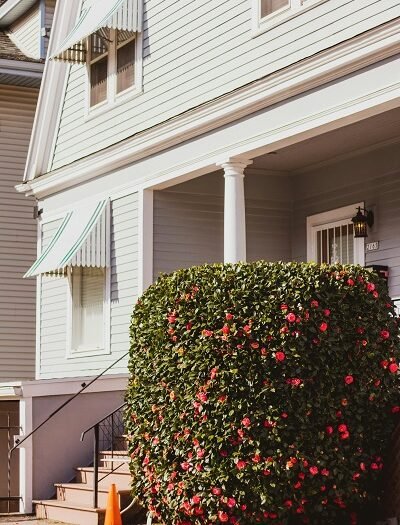
Understanding the Importance of Home Maintenance
Regular home maintenance tips is a critical responsibility for homeowners, serving as a cornerstone for ensuring the safety, functionality, and longevity of one’s living space. Engaging in preventative care not only safeguards against unexpected repairs but also enhances the overall value of the property. As wear and tear inevitably affect various components of a home, proactive maintenance can significantly extend their lifespan, ultimately yielding substantial financial benefits. One of the primary advantages of maintaining a home is the potential increase in property value. Homes that are well-maintained typically command higher prices in the market. When prospective buyers evaluate a property, the condition of essential systems, such as plumbing, electrical, and HVAC, plays a crucial role in their decision-making process. A comprehensive maintenance plan that addresses routine inspections and repairs can thus translate to greater resale value, making it a wise investment for current homeowners. Beyond financial implications, regular home maintenance fosters a safe living environment. Issues such as mold growth, electrical hazards, or structural damage can pose significant risks to the safety of the occupants. By diligently addressing minor repairs and conducting routine check-ups, homeowners create a safe space for their families and prevent more serious problems from arising. This proactive approach not only protects physical wellbeing but also contributes to peace of mind.
In addition to safety and financial aspects, a well-maintained home often leads to emotional comfort. Homeowners who prioritize maintenance tend to experience less stress regarding their living conditions, allowing them to focus on appreciating their home. The satisfaction derived from a neat and tidy environment, in conjunction with the reliable functioning of household systems, can significantly enhance the overall living experience.
Investing time and resources into regular maintenance is not merely a chore, but rather a necessity that pays dividends in the long run. Overall, understanding the importance of home maintenance reinforces the notion that responsible homeownership involves active engagement in caring for one’s property, ultimately leading to a safer, more valuable, and enjoyable living space.
Seasonal Maintenance Checklist
Maintaining a home requires proactive measures throughout the year. To help homeowners keep their properties in optimal condition, here is a comprehensive checklist of seasonal maintenance tasks. This list is categorized by season—spring, summer, fall, and winter—highlighting specific actions needed for each season.
Spring Maintenance
As the weather warms up, spring is an ideal time for deep cleaning and preparing your home for the new season. Key tasks include:
- Gutter Cleaning: Clear out debris from gutters and downspouts to prevent water damage.
- HVAC Servicing: Schedule a routine check-up for your air conditioning system, including changing filters and cleaning ducts.
- Landscaping: Trim shrubs and trees and inspect your lawn for dead patches that may require reseeding.
Summer Maintenance
During the summer months, focus on outdoor tasks that improve curb appeal and ensure the safety of outdoor spaces. Important activities involve:
- Power Washing: Clean the exterior of your home, including decks, patios, and siding, to maintain aesthetics.
- Pest Control: Take preventive measures against pests by ensuring that there are no food sources or entry points around the house.
- Inspect Roof and Siding: Look for any signs of wear or damage that may have occurred during winter.
Fall Maintenance
As temperatures begin to drop, fall is the perfect time to prepare your home for the approaching winter. Necessary tasks include:
- Furnace Inspections: Ensure your heating system is functioning properly before colder temperatures arrive.
- Chimney Cleaning: If you use your fireplace, have your chimney inspected and cleaned to prevent fire hazards.
- Weather Stripping: Check doors and windows for drafts and apply weather stripping to enhance energy efficiency.
Winter Maintenance
Winter presents unique challenges that require specific maintenance considerations. Essential winter tasks include:
- Winterization: Prepare plumbing for freezing temperatures by insulating pipes and shutting off outdoor water sources.
- Inspect Insulation: Ensure your home is properly insulated to minimize heating costs and prevent cold air from entering.
- Snow Removal: Keep walkways clear of snow and ice to ensure safety for you and visitors.
By adhering to this seasonal maintenance checklist, homeowners can ensure their properties remain in excellent condition, minimizing the risk of costly repairs while promoting a safe and efficient living environment.
Indispensable Indoor Maintenance Tips
Homeowners are tasked with several essential indoor maintenance responsibilities that can greatly enhance the lifespan of their living spaces and improve overall comfort. These maintenance tasks not only preserve property value but also contribute to a healthy indoor environment.
Routine inspections of plumbing systems are crucial. Homeowners should regularly check for any signs of leaks under sinks, around toilets, and in basements. Addressing minor leaks early can prevent significant water damage and mold growth later on. It is advisable to inspect pipe insulation, especially in colder months, to prevent freezing and bursting.
Additionally, electrical systems require attention. Homeowners should check that outlets and switches are functioning properly, ensuring that no appliances are malfunctioning. Keeping an eye on circuit breakers and fuses, and knowing when it’s time to call a professional electrician can prevent hazardous situations. Regularly replacing batteries in smoke detectors and carbon monoxide detectors is also vital for safety.
Another area that demands attention is the cleaning and maintenance of appliances. Regularly cleaning the refrigerator coils, for example, can improve energy efficiency and prolong the life of the appliance. Homeowners should also keep an eye on the filters in HVAC systems, ensuring they are changed as needed to maintain optimal air quality.
Maintaining indoor air quality is an essential factor that should not be overlooked. Regularly changing air filters, using exhaust fans in bathrooms and kitchens, and keeping humidity levels in check are all effective strategies. Additionally, engaging in routine dusting and vacuuming can contribute significantly to a healthier environment by reducing allergens and pollutants.
By incorporating these indoor maintenance tips into a regular household routine, homeowners can avoid larger, costly repairs and ensure their homes remain safe, comfortable, and energy-efficient.
Outdoor Maintenance Essentials
Maintaining the exterior of a home is crucial for preserving its value and ensuring long-term safety. Various outdoor maintenance tasks require regular attention to keep the property in good shape. One of the most visible aspects is lawn care. A well-manicured lawn not only enhances curb appeal but also serves as the first line of defense against soil erosion. Regular mowing, watering, and fertilizing are essential practices that contribute to a vibrant lawn. Additionally, removing weeds and applying mulch around the garden can help in maintaining healthy flora.
Another important area to consider is the upkeep of siding. Homeowners should routinely inspect the siding for signs of wear, such as cracking or peeling paint. Depending on the material—wood, vinyl, or fiber cement—specific cleaning methods should be employed to prevent mildew and mold buildup. Repairing any damage promptly can avert more extensive issues that may arise if maintenance is neglected.
Roof inspections are equally essential to the outdoor maintenance regimen. Homeowners should check for missing shingles, rusted flashing, or other visible damage at least twice a year, particularly before and after harsh weather seasons. A well-maintained roof protects the home from potential leaks and extensive water damage. Taking action to address minor issues can prevent costly repairs later.
Lastly, deck maintenance should not be overlooked. Regular cleaning, sealing, and staining contribute to the longevity of wooden decks. Checking for loose boards or nails is critical to ensuring safety for those who use the deck. By implementing these outdoor maintenance essentials, homeowners can enhance their property’s curb appeal while simultaneously safeguarding it from the elements.
The Importance of Regular Inspections
Home inspections serve as a critical component of effective home maintenance, helping homeowners safeguard their investments. Regular inspections should be an integral part of a homeowner’s maintenance routine, providing valuable insights into the condition of the property. Ideally, homeowners should conduct a comprehensive inspection at least once a year, with specific additional inspections recommended seasonally or after significant weather events.
During these inspections, individuals should focus on various key areas such as the roof, plumbing, electrical systems, and foundation. Inspecting the roof can identify early signs of wear, potential leaks, and damage caused by weather conditions, which, if addressed promptly, can prevent costly repairs in the future. For plumbing, signs of leaks or corrosion can be identified through careful observation, allowing for remedial action before serious damage occurs.
Furthermore, electrical systems should be scrutinized to ensure safety and functionality. Over time, wiring can degrade or become damaged, creating hazards that could threaten both property and resident safety. By proactively identifying these issues, homeowners can not only enhance safety but also maintain the property’s value.
Foundation inspections are equally crucial, as cracks or shifts can indicate underlying problems that may compromise the entire structure. Regular attention to these critical components can prevent minor issues from escalating into major, costly repairs. Consequently, conducting routine home inspections not only contributes to the longevity of a home but also provides peace of mind for homeowners.
In summary, regular home inspections are essential for identifying potential problems before they grow into significant financial burdens. By setting a schedule for these evaluations and prioritizing critical areas, homeowners can benefit from a well-maintained home, ensuring both safety and value in their property investment.
DIY vs. Professional Help: When to Call a Pro
Home maintenance encompasses a wide variety of tasks, and homeowners often face the dilemma of whether to undertake repairs themselves or hire a professional. Understanding the nuances of this decision is crucial for effectively managing your household.
Many minor repairs and routine maintenance tasks can be accomplished through DIY efforts, which not only saves money but also provides homeowners with a sense of accomplishment. For example, changing a light bulb, unclogging a drain, or patching a small hole in the wall are all tasks that typically require minimal tools and skills. Simple tasks like these generally fall under the category of home maintenance that an average homeowner can handle without much difficulty.
However, it is vital to recognize the limitations of DIY projects. For more complex issues, such as plumbing leak repairs, electrical system troubleshooting, or major appliance installation, it is advisable to consult a professional. Such tasks often require specialized knowledge and expertise that the average homeowner may lack. Moreover, attempting to perform these tasks without proper skills can lead to further damage or safety hazards.
In cases where state or local regulations dictate, certain repairs, especially those involving gas or electrical systems, may legally require a licensed professional. Additionally, if you encounter a problem that is extensive or beyond your skill set, such as structural damage or significant mold remediation, it is crucial to seek help from an expert.
Ultimately, the decision to tackle home maintenance tasks yourself or hire a professional should be based on your comfort level, available resources, and the complexity of the repair. Evaluating your own skills against the demands of the task at hand can lead to better outcomes and ensure the safety and efficacy of the work being done.
Tools Every Homeowner Should Have
Every homeowner should prioritize being equipped with essential tools to handle basic maintenance and repairs effectively. A well-stocked toolbox not only prepares individuals for small tasks but also fosters a sense of confidence in managing home-related issues. Below is a list of fundamental tools every homeowner should consider owning.
1. Hammer: A hammer is a versatile tool essential for driving nails into wood and other materials. It can also assist in removing nails when needed. When using a hammer, choose one with a comfortable grip, typically weighing between 16 to 20 ounces for optimal control and effectiveness.
2. Screwdriver Set: A complete screwdriver set is vital for assembly work and light repairs. It should include both flathead and Phillips head screwdrivers in various sizes. Proper maintenance involves regularly checking for wear and ensuring tips are not worn down, as a well-maintained screwdriver is crucial for efficient use.
3. Pliers: Pliers are indispensable for gripping, twisting, and cutting various materials. Having a pair of combination pliers along with needle-nose pliers can be particularly helpful for intricate tasks. Regular cleaning and lubrication can extend their lifespan and enhance their performance.
4. Wrench Set: A wrench set is essential for rotating nuts and bolts, particularly in plumbing tasks. An adjustable wrench is incredibly functional and can be adjusted to fit different sizes. It is critical to ensure that the wrench is in good condition, as a worn one may lead to improper tightening or loosening, which could complicate repairs.
5. Level: A level is particularly useful for ensuring that shelves, frames, and other fixtures are installed straight. Even slight inaccuracies can lead to larger issues. Maintaining your level by keeping it clean and protected from damage will ensure accuracy in your measurements.
Understanding the necessity of these tools empowers homeowners to handle maintenance tasks more efficiently. Being prepared with the right tools helps reduce reliance on external assistance and fosters self-sufficiency on home repair projects.
Budgeting for Home Maintenance
Being a homeowner comes with the responsibility of ensuring that your property remains in good condition. One of the crucial aspects of effective homeownership is budgeting for maintenance expenses. It is essential to plan ahead, so you are financially prepared when repairs or upkeep are necessary.
First and foremost, setting aside an emergency fund is critical. This fund should cover unexpected repairs such as plumbing issues or roof leaks that might arise. A general guideline is to allocate one to three percent of your home’s value each year into this fund. For instance, if your house is valued at $300,000, it is advisable to contribute around $3,000 to $9,000 annually, or about $250 to $750 monthly, depending on your financial situation and the condition of your home.
In addition to preparing for unplanned repairs, homeowners should also budget for regular maintenance. This includes seasonal tasks like lawn care, gutter cleaning, and HVAC servicing. Ideally, maintaining a record of these routine services will help you anticipate when these expenses will recur. Setting a schedule allows homeowners to allocate funds gradually, preventing any financial strains when the time comes for these services.
Estimating costs is another vital part of budgeting. Research potential costs for various maintenance tasks within your locality. For example, the average cost for basic plumbing repairs or pest control services can differ based on geographic location. By collecting quotes from professionals, you can create an accurate picture of what to expect financially, making it easier to set realistic budgets.
Ultimately, creating a comprehensive budget for home maintenance leads to peace of mind and helps maintain your property’s value. By adhering to proper budgeting strategies, homeowners can effectively allocate resources to keep their homes safe and well-maintained, providing a secure and functional living environment. Regular assessments of your budget will further enhance your preparedness for the future.
Future Trends in Home Maintenance
As the landscape of home maintenance continues to evolve, several emerging trends and technologies are shaping the way homeowners approach upkeep and repairs. One significant development is the rise of smart home devices, which offer enhanced convenience and efficiency. These innovative gadgets can monitor various systems within the home, including HVAC, security, and plumbing, alerting homeowners to potential issues before they escalate. For instance, smart thermostats can learn user preferences and optimize energy consumption, ultimately reducing utility bills while maintaining comfort.
In addition to smart technology, eco-friendly products have gained popularity among homeowners who are increasingly concerned about environmental impact. Sustainable building materials, such as bamboo, recycled metal, and reclaimed wood, not only reduce waste but also create aesthetically pleasing spaces. Additionally, eco-friendly cleaning products have emerged as viable alternatives to harsh chemicals, promoting a healthier living environment for both families and pets. Homeowners are now more inclined to invest in these sustainable options, recognizing their long-term benefits for both personal health and the planet.
Another notable trend is the use of innovative materials that improve durability and reduce maintenance needs. For example, manufacturers are developing advanced coatings and finishes that resist stains, fading, and wear, thus extending the life of various surfaces. These improvements are particularly beneficial in high-traffic areas, such as kitchens and entryways, where wear and tear is most pronounced. Such innovations not only save time and effort in upkeep but also enhance the overall quality and longevity of the home.
In conclusion, the trends in home maintenance are moving towards technology integration, sustainability, and enhanced durability. Homeowners who embrace these advancements can expect improved home upkeep, lower operational costs, and a more environmentally friendly living space. As smart devices and eco-friendly options become more accessible, they will undoubtedly play a crucial role in the future of home maintenance.