


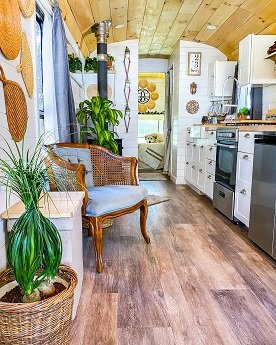
Understanding the Challenges of Small Spaces
Living in small homes presents a unique set of challenges that can significantly impact daily life. One of the primary difficulties is the limited square footage, which often constrains both movement and storage. The small area available for living can lead to issues such as overcrowding and difficulty in locating essential items. When space is at a premium, the organization becomes critical to ensure that the environment remains functional and comfortable. Clutter is another prevalent issue in small homes. With fewer storage options, items can accumulate quickly, creating chaos and a sense of disorder. This can be particularly overwhelming in homes where multiple inhabitants share common spaces. The absence of effective storage solutions increases the likelihood of a chaotic environment, which can lead to heightened stress levels and decreased quality of life.
Moreover, a small living area can restrict one’s ability to personalize the space, making it feel impersonal or cramped. The need for efficient organization is incredibly important, not just for aesthetic reasons but also for mental well-being. Proper organization enhances functionality and can transform a small home into a serene living space, mitigating the feeling of confinement that often accompanies limited square footage.
Finding innovative storage solutions is essential in addressing these challenges. By maximizing vertical space, utilizing multi-functional furniture, and implementing creative storage ideas, residents of small homes can achieve a sense of order and ease in their living environments. Ultimately, acknowledging and addressing the challenges posed by small spaces is crucial for cultivating a comfortable and enjoyable home that meets the needs of its inhabitants.
Multi-functional Furniture: Save Space and Add Style
In modern living, particularly within small homes, the concept of multi-functional furniture is gaining significant attention. This type of furniture not only serves its primary purpose but also provides additional functionality, contributing to both space savings and aesthetic enhancement. Items such as sofa beds, storage ottomans, and coffee tables with hidden compartments exemplify how furniture can adapt to the varied needs of small living spaces.
Sofa beds are a classic example of multi-functional furniture. They offer comfortable seating during the day and can be easily transformed into a bed for guests at night. When selecting a sofa bed, consider options that complement your existing décor while providing adequate comfort and support. Look for models that feature stylish upholstery and a streamlined design to enhance the room’s overall appeal.
Similarly, storage ottomans serve a dual purpose by acting as both seating and storage solutions. These versatile pieces can be placed in living rooms or bedrooms and utilized for storing blankets, books, or other items that may clutter the space. When arranging ottomans, aim to balance functionality with aesthetics by incorporating them into your existing layout, perhaps as a centerpiece or alongside other seating options.
Additionally, coffee tables with hidden compartments are brilliant choices for small homes. They not only provide a surface for drinks and decorative items but also offer concealed storage for magazines, remotes, or coasters. When choosing a coffee table, ensure that it fits harmoniously into the space, reinforcing the room’s design while maximizing utility.
To enhance styling, consider colors, materials, and shapes that resonate with your personal taste. Opting for multi-functional pieces allows homeowners to maintain an uncluttered look, essential in compact environments. Employing these intelligent furniture choices can significantly optimize a small living space, making it both stylish and practical.
Vertical Storage Ideas to Maximize Height
One of the most effective strategies for enhancing storage in small homes is utilizing vertical space. By maximizing height, homeowners can create a more functional living environment while minimizing clutter. This approach often involves the installation of shelving units that reach the ceiling or utilizing wall-mounted storage solutions.
Shelving units that extend to the ceiling provide an excellent way to increase available storage without occupying too much floor space. These shelves can hold everything from books to decorative items, and can be customized to fit various decor styles. To ensure accessibility, consider incorporating a step stool or ladder that is both practical and stylish. Additionally, utilizing the top shelves for items that are rarely used allows lower shelves to remain accessible for everyday necessities.
Wall-mounted racks serve as another innovative storage option, particularly in kitchens and bathrooms. These racks can hold pots and pans, spices, or toiletries, keeping them readily available without consuming counter space. Furthermore, hanging organizers, such as those designed for shoes or accessories, can be attached to walls or the back of doors, providing a clever solution for compact spaces.
Incorporating vertical storage does not have to mean sacrificing aesthetics. Design tips such as selecting shelving made from light materials, utilizing open shelving concepts, and painting shelves in colors that complement the room can help to maintain a cohesive look. Moreover, installing colorful bins or baskets on these high shelves not only provides a pop of color but also keeps similar items grouped together, enhancing organization.
Overall, leveraging verticality in design is an excellent strategy for addressing storage constraints in small homes. By exploring these practical examples and implementing some design tips, homeowners can significantly optimize their available storage without compromising on style.
Creative Use of Underutilized Spaces
In small homes, every inch of space counts, making it essential to explore innovative storage solutions that capitalize on underutilized areas. One of the most overlooked spaces is under the stairs. This area can be transformed into functional storage by installing shelves, cabinets, or drawers that blend seamlessly with the home’s decor. For instance, a built-in bookshelf can not only provide storage for books and decorative items but also act as a focal point in the living area.
Another creative solution involves the space behind doors. Often ignored, the back of doors can be an excellent place for additional storage. Consider hanging hooks or racks for various items such as bags, hats, or towels. Alternatively, slim cabinets or organizers can also be placed on these surfaces, effectively utilizing this typically wasted space without cluttering the room.
Above cabinets is yet another area ripe for development. The space above kitchen cabinets can be ideal for storing less frequently used items while adding visual interest. Decorative boxes or baskets can be used to keep these items hidden from view, thus maintaining a clean design. This strategy not only maximizes storage but also enhances the overall aesthetic of the kitchen.
In addition to these suggestions, there are various modular furniture pieces available that can further optimize your living space. For instance, ottomans or benches with built-in storage can serve dual purposes, providing both seating and a place to store extra blankets or games. By thinking outside the box and embracing the potential of underutilized spaces, homeowners can effectively create a more organized and inviting environment.
Utilizing these various strategies can lead to significant improvements in the organization of a home, demonstrating that clever storage solutions need not compromise on style.
Organizing with Baskets and Containers
In small homes, effective organization is crucial for maximizing space and maintaining a clutter-free environment. One of the most versatile and aesthetically appealing methods for achieving this is through the use of baskets and containers. These storage solutions not only serve functional purposes but also contribute to the decor, allowing homeowners to express their style while enhancing utility.
There are various types of storage bins available on the market, each designed to cater to specific needs. Fabric bins are lightweight and available in numerous colors and designs, making them perfect for bedrooms or living rooms. Wicker baskets exude a rustic charm and are excellent for storing items like blankets, toys, or magazines. Plastic containers offer durability and are ideal for organizing items in high-traffic areas such as kitchens or garages.
Utilizing baskets and containers helps in decluttering spaces effectively. By categorizing items into designated containers, homeowners can quickly locate what they need without sifting through a disorganized heap. This method fosters a sense of order and peace within the home. Furthermore, using transparent containers can enhance visibility, enabling individuals to identify contents at a glance.
To optimize storage areas, it is beneficial to consider both function and aesthetics. For instance, placing decorative baskets on shelves or under coffee tables allows these storage solutions to blend seamlessly with existing decor while providing practical benefits. Implementing stackable options can further maximize vertical space, an essential strategy in small homes.
In summary, baskets and containers are indispensable tools in the quest for effective organization in small living spaces. By selecting the right types and utilizing them thoughtfully, it is possible to create a harmonious environment that is both stylish and functional.
Seasonal Storage Solutions
Managing seasonal items in small homes presents unique challenges. Efficient organization can greatly enhance living space by ensuring that items not in regular use, such as clothing, holiday decorations, and specific equipment, are stored effectively.
Firstly, consider the types of seasonal clothing that require storage. Items such as winter coats, boots, and holiday sweaters can occupy significant closet space when they are not needed. To keep these items organized, utilize vacuum-sealed bags or bins to minimize their volume. Store these bags under the bed or in the top of a closet to ensure they are out of the way yet accessible when the seasons change.
Next, holiday decorations often accumulate over the years, leading to clutter. A practical approach is to categorize decorations by type or holiday and store them in clear, labeled bins. This not only makes it easy to find specific items when needed but also allows for a quick inventory check after the holiday season, which aids in deciding what to keep or donate. Store these bins in less frequented places, such as attic spaces or beneath furniture, to maximize available internal space.
Aside from clothing and decorations, consider managing outdoor equipment that is used seasonally, such as patio furniture, garden tools, or sports gear. Designate a storage area, such as a garage or shed, and use vertical storage solutions like wall-mounted racks to keep items off the ground. This reduces clutter and makes retrieval easier during their respective seasons.
Finally, rotating seasonal items is crucial to maintaining organization. Schedule regular intervals—perhaps at the change of each season—to evaluate what needs to be stored or what can be let go. This not only declutters but also keeps the home feeling spacious year-round. By implementing these seasonal storage solutions, small homes can achieve both functionality and aesthetic appeal, allowing residents to enjoy their living spaces more fully.
The Importance of Decluttering Before Organizing
Decluttering is a fundamental step in the journey toward effective organization, particularly in small homes where space is at a premium. By removing unnecessary items, homeowners can create an environment that is not only more functional but also more visually appealing. The significance of this process cannot be overstated, as it lays the groundwork for any storage solution.
Before implementing storage solutions, it is essential to assess your belongings critically. A useful strategy is the “four-box method,” which involves labeling four boxes as keep, donate, discard, and relocate. As you go through your items, place each one into the appropriate box. This method helps streamline the decision-making process while ensuring that nothing gets overlooked. By categorizing your possessions, you can make informed choices about what truly adds value to your life.
Another effective technique for decluttering is the “one-year rule.” If you haven’t used an item in the past year, consider whether it is worth keeping. This principle encourages a mindset focused on the utility of your belongings. Furthermore, sentimental items can often take up valuable space. When faced with such items, reflect on their emotional significance and whether they merit the physical space they occupy. If you choose to part with them, consider taking photographs to preserve the memory without the physical clutter.
Moreover, involving family members in the decluttering process can lead to a collective understanding of the need for organization, ensuring everyone is on the same page regarding what to keep or discard. Establishing a decluttering ritual, where each member regularly assesses their belongings, can significantly contribute to maintaining an orderly and functional home.
In conclusion, before diving into organizing and implementing innovative storage solutions, it is paramount to undertake the decluttering process. By applying strategic methods like the four-box approach and the one-year rule, you can transform your home into a space that maximizes functionality and efficiency.
DIY Storage Projects to Customize Your Home
Creating effective storage solutions in a small home often requires imagination and resourcefulness. DIY projects offer a unique opportunity to personalize your space while addressing your specific storage needs. By engaging in do-it-yourself storage solutions, individuals can seamlessly blend functionality with their personal style.
One popular project involves building simple wooden shelves. These shelves can be tailored to fit any room, whether it’s the kitchen, living room, or bathroom. All that is needed are basic materials, such as wood boards, brackets, and screws. Individuals can choose the finish, color, or even the arrangement that best fits their home’s aesthetic. This versatility not only maximizes available space but also enhances the overall décor.
Another innovative approach is to repurpose old furniture into clever storage solutions. For example, an unused dresser can be transformed into a stylish entryway console by painting it a bright color and adding hooks for keys. Alternatively, an old ladder can be mounted vertically and used as a rustic bookshelf or decorative display for plants and books. These repurposed items not only serve a functional purpose but also tell a story and contribute to a more sustainable home environment.
Moreover, utilizing underutilized spaces for storage can also be beneficial. For example, under-bed storage boxes can make great use of otherwise wasted space. Rolling containers can fit perfectly under beds, providing ample room for storing shoes, out-of-season clothing, or personal items. Similar strategies can be applied to staircases, where shelves can be integrated into the steps to create compelling storage solutions that blend into the architecture of the home.
These DIY storage projects promote both practicality and personal expression, allowing homeowners to create a functional living space that reflects their individuality. The incorporation of customized storage solutions, such as wooden shelves and repurposed furniture, can noticeably improve both the organization and visual appeal of smaller homes.
Maintaining an Organized and Clutter-free Home
Once innovative storage solutions have been implemented in small homes, maintaining an organized and clutter-free environment is essential. It is not merely about finding space for your belongings; it involves establishing routines and habits that promote ongoing organization. By integrating effective strategies, homeowners can ensure that their compact living areas remain comfortable, functional, and aesthetically pleasing.
One of the most effective techniques for maintaining an orderly space is to establish a regular decluttering routine. Set aside a specific time each week or month to review your belongings. During this process, assess items for necessity and utility. If an item hasn’t been used recently or does not serve a clear purpose, consider donating or discarding it. This practice not only prevents accumulation but also fosters a mindful approach to consumption.
In addition, adopting certain habits can significantly impact the organization of your home. For instance, creating a designated place for each item ensures that everything has a home. Encourage family members to return items to their designated spaces after use. Furthermore, develop the habit of implementing the “one in, one out” rule: for every new item brought into the home, an existing item should be removed. This principle helps to keep clutter minimal.
Additionally, consider leveraging technology to aid in maintaining an organized home. Various apps and tools can assist in inventory tracking, enabling you to remember what you own and where items are stored. This technology can streamline the decluttering process and keep your storage solutions effective over time.
Ultimately, maintaining an organized and clutter-free home in a small space requires commitment and consistency. By integrating these tips into daily routines and making conscious decisions about possessions, homeowners can create a living environment that is not only functional but also enjoyable to inhabit.