


Understanding Minimalism in Home Design
Minimalism in home design is more than just a decorative style; it is a philosophy that prioritizes simplicity and functionality over excess. The essence of minimalism is about creating an environment that allows for ease of living, fostering a sense of calm and clarity. By reducing clutter and focusing on the essentials, minimalist design emphasizes the importance of each item in a space. Historically, minimalism has its roots in various cultural movements, gaining prominence in the mid-twentieth century as a response to the ornate aesthetics of earlier design trends. Artists and architects sought to strip away the unnecessary, celebrating clean lines and open spaces. This approach can be traced back to influential figures such as Ludwig Mies van der Rohe, whose work epitomized the minimalist ethos, displaying a profound respect for materials and form. The principles of minimalist design are grounded in the belief that less is indeed more. Key tenets include the use of a limited color palette, an emphasis on natural light, and the incorporation of multifunctional furniture. By embracing these principles, spaces can be transformed to facilitate a more mindful lifestyle. Notably, different cultures have interpreted minimalism in unique ways, adapting the principles to fit their specific needs and traditions.
In contemporary society, where consumerism often leads to material overload, the minimalist approach offers a refreshing counter-narrative. It encourages homeowners to question their relationship with possessions, advocating for thoughtful purchasing decisions that enhance living rather than complicating it. As people across various cultures adopt minimalist design, they find that it not only enhances aesthetic appeal but also contributes to a more harmonious and tranquil living environment.
Benefits of Minimalist Home Design
Adopting a minimalist approach to home design presents numerous advantages that extend beyond mere aesthetics. One of the most prominent benefits is the significant reduction of clutter. By simplifying the living space and limiting the number of possessions to the essentials, individuals can minimize distractions and foster an environment conducive to concentration and productivity. An uncluttered home promotes a sense of order, allowing residents to navigate their space with ease and clarity.
Moreover, minimalism is well-known for creating a calming atmosphere. The use of clean lines and neutral colors can evoke feelings of tranquility and peace, making the home a sanctuary from the chaos of everyday life. This serene environment can be particularly beneficial in reducing stress and anxiety, thereby enhancing overall mental well-being. When the physical space is harmonized, it reflects a sense of inner peace, encouraging a balanced lifestyle.
Incorporating minimalist principles into home design can also contribute to sustainability efforts. By opting for fewer but higher-quality items, consumers can make more environmentally conscious choices. This approach not only reduces the volume of resources used in production but also minimizes waste. Fewer possessions necessitate less space, leading to smaller homes that require fewer materials for construction and maintenance. Consequently, the minimalist mindset aligns closely with sustainable practices, promoting longevity and mindful consumption.
Furthermore, the simplicity in design often encourages intentional purchasing, steering homeowners away from impulsive buying habits. By being selective about the items they bring into their environment, individuals can cultivate a space that truly reflects their values and preferences. Ultimately, the benefits of minimalist home design encompass both personal and environmental well-being, making it a compelling choice for contemporary living.
Key Elements of Minimalist Design
Minimalist design is characterized by its focus on simplicity and functionality, distancing itself from excessive ornamentation and clutter. This design philosophy promotes a sense of calm and order by incorporating several fundamental elements that work harmoniously to create serene living spaces.
One of the primary characteristics of minimalist design is the use of clean lines. This emphasis on stark forms helps eliminate visual noise, allowing for a tranquil atmosphere within the home. Furniture and architectural features exhibit geometric shapes and smooth finishes, contributing to a seamless flow throughout the space. The absence of ornate details enables each piece to stand out in its own right, reinforcing the minimalist ethos.
Another crucial element is the application of a neutral color palette. Shades of white, beige, gray, and muted tones dominate minimalist interiors. These colors foster a feeling of spaciousness and serenity, reflecting natural light while creating a cohesive backdrop for the selected furnishings. The strategic use of color not only enhances the aesthetic appeal but also underscores the importance of function over form, allowing the eye to focus on the layout rather than overwhelming hues.
Moreover, the clever utilization of light and space plays a significant role in minimalist design. Large windows are often incorporated to invite natural light into the home, enhancing the open feel of the environment. This connection with the outdoors promotes a sense of tranquility, while the thoughtful arrangement of furniture allows for easy movement and interaction within the areas. The interplay of light and shadows adds depth to the space, further emphasizing its simplicity.
In essence, minimalist design hinges on the integration of clean lines, a neutral color palette, and the adept use of light and space, collectively shaping a harmonious and peaceful home environment. These components not only adhere to the foundational principles of minimalism but also enrich the personal experiences of those who inhabit such spaces.
Color Schemes for a Minimalist Home
When it comes to minimalist home design, the color scheme plays a pivotal role in shaping the environment and experience within a space. A carefully selected palette can significantly impact not only the aesthetic value but also the perception of space and mood. In minimalist designs, two popular approaches to color schemes are monochromatic and subtle tones.
Monochromatic schemes utilize varying shades of a single color, which can create a cohesive and harmonious atmosphere. This technique often enhances visual interest while maintaining simplicity, integral to minimalist principles. For instance, a palette of soft whites can evoke a sense of tranquility, while different shades of grey can bring depth and sophistication. The use of darker tones such as navy or charcoal can add a dramatic flair, provided they are balanced with lighter elements to prevent overwhelming the space.
Subtle tones, on the other hand, emphasize the use of muted colors that promote serenity and understated elegance. Soft pastels or earth tones can serve as a perfect foundation for minimalist interiors. These tones are often favored for their ability to create warm, inviting spaces that do not distract from the simplicity of the design. For example, a gentle beige or pale blush can soften sharp lines, making the space feel more welcoming while still adhering to minimalistic ideals.
Furthermore, color choice significantly influences how individuals perceive space. Lighter colors can make a room feel larger and more open, while dark colors can create a more intimate setting. The strategic use of color can also shift attention to architectural features or artistic elements within a room. Ultimately, selecting the right color scheme is crucial to achieving a minimalist home that not only looks aesthetic but also resonates with the intended atmosphere.
With careful consideration, a minimalistic approach to color can enhance the overall aesthetic and provide a tranquil sanctuary in today’s fast-paced world.
Choosing Furniture and Decor for Minimalism
When embracing minimalism in home design, the process of selecting furniture and decor becomes paramount. The fundamental principle of minimalism emphasizes functionality and simplicity, which should guide the decision-making process. The right furniture will not only serve a purpose but also enhance the overall aesthetic of a home without overwhelming it.
One of the core concepts of minimalist design is prioritizing function over form. Each piece of furniture should fulfill a specific role, reducing clutter and facilitating ease of movement within a space. For example, a coffee table can double as a storage unit, allowing for an organized living area. Thus, when choosing furnishings, consider how each item can contribute to a streamlined and efficient living environment.
Versatility is another essential aspect to keep in mind. Selecting furniture that can adapt to different needs or situations promotes a more flexible and functional space. Modular sofas, extendable dining tables, and multi-purpose shelving units exemplify this principle well. Such adaptable pieces allow homeowners to modify their environments according to their needs, reinforcing the minimalist approach.
Furthermore, emphasizing quality over quantity rather than having numerous pieces, focus on investing in a few high-quality items. Durable materials and craftsmanship ensure that each piece stands the test of time while providing aesthetic appeal. This approach aligns perfectly with minimalist values, ensuring that every item in the home is meaningful and functional.
In conclusion, embracing minimalism in home design involves thoughtful selection of furniture and decor. By prioritizing function, versatility, and quality, individuals can create a harmonious living space that captures the essence of minimalism while remaining stylish and practical.
Maximizing Space in a Minimalist Home
In a minimalist home, every square inch is valuable, and optimizing use of space is paramount. This can be achieved through several practical strategies that focus on decluttering, smart storage, and thoughtful layout design. These techniques not only maximize space but also enhance the overall aesthetic and functionality of the home.
Decluttering is the initial step to creating a minimalist environment. Begin by sorting through belongings and removing items that no longer serve a purpose or bring joy. This process reduces clutter, which can overwhelm small spaces. Consider the “one in, one out” rule, ensuring that for every new item brought into the home, another is removed. This approach helps to maintain a clear, minimalist space over time.
Next, smart storage solutions can play a pivotal role in maximizing space. Opt for multifunctional furniture, such as ottomans with hidden compartments or beds with built-in drawers. Shelving units that reach up to the ceiling can also provide necessary storage while keeping the floor area open. Utilizing vertical space not only adds functionality but also enhances the perception of roominess. Hooks, wall-mounted organizers, and magnetic strips can further reduce clutter, keeping belongings accessible without occupying valuable surface areas.
In terms of layout, consider an open floor plan that encourages flow and interaction between spaces. Avoid cutting up areas with unnecessary walls; instead, use furniture to define different spaces within a room. Additionally, placing larger items against walls rather than in the center of a room can create a sense of openness. Large mirrors can also be employed strategically to reflect light and give the illusion of more space.
In conclusion, a minimalist home requires careful consideration of space utilization. Through deliberate decluttering practices, innovative storage solutions, and an open layout, one can achieve a harmonious environment that embodies the principles of minimalism while enhancing comfort and functionality.
Lighting and Natural Elements in Minimalist Design
Effective lighting plays a pivotal role in minimalist home design, providing not only functionality but also enhancing the aesthetic appeal of the space. In a minimalist environment, the careful selection and placement of both natural and artificial lighting can create an inviting atmosphere that showcases the simplicity of the design. Natural light, with its varying qualities throughout the day, is particularly vital in a minimalistic home, as it illuminates spaces without overwhelming them.
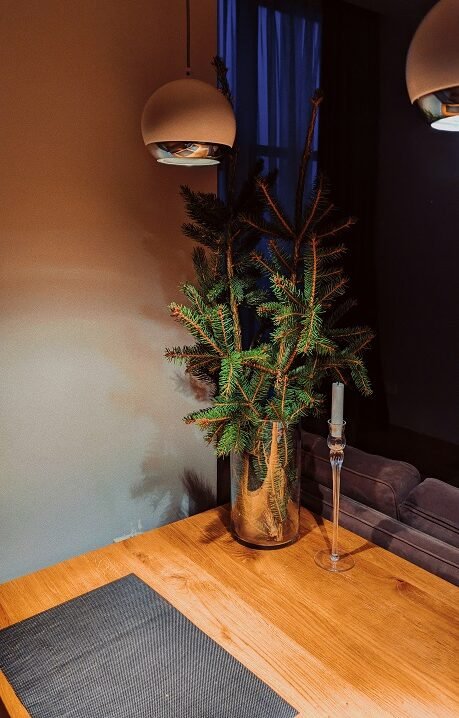
Large windows, skylights, and glass doors can significantly amplify the influx of sunlight, making rooms appear more spacious and alive. These design elements foster a seamless connection between indoor and outdoor environments, encouraging the use of natural elements such as plants to bring life into the space. By integrating greenery, homeowners can add subtle contrasts that enhance both the visual and textural appeal of minimalist interiors.
On the other hand, artificial lighting is essential for ensuring that spaces remain functional during evening hours or in darker seasons. Choosing minimalist light fixtures that provide a warm glow can greatly enhance the atmosphere. Recessed lighting or wall-mounted fixtures that avoid extraneous ornamentation align well with minimalist principles, creating a clean look while providing adequate illumination. Dimmer switches can also offer flexibility, allowing adjustments according to different moods and activities.
Furthermore, layering light sources—such as ambient, task, and accent lighting—creates depth without clutter, which is a reason why strategic light placement is essential in minimalist design. This combination emphasizes various features within the space without drawing attention away from the overarching simplicity. The interplay between light and natural elements not only elevates the design but also contributes to an environment that promotes well-being and comfort.
Incorporating Personal Touches in a Minimalist Space
Embracing a minimalist home design often involves a focus on simplicity, functionality, and clean lines. However, personalizing a minimalist space is achievable without overwhelming its essence. One effective method of adding character is through art. Carefully selected artwork can serve as a focal point and express individual taste. For instance, a large canvas painting or a statement sculpture can enhance the aesthetics while remaining consistent with a minimalist ethos.
Textiles also play a crucial role in personalizing a minimalist home. Integrating a few carefully chosen rugs, cushions, or throws can introduce warmth and texture without cluttering the space. Opt for fabrics that are neutral in color or subtle in pattern to ensure that they complement the overall design rather than distract from it. For instance, a soft linen throw or a geometric-patterned rug can add comfort while maintaining harmony in the room.
In addition, personal items can be showcased thoughtfully to reflect one’s personality. This can include personal photographs in simple frames, books on a clean shelf, or decorative objects that hold sentimental value. The key is to select pieces that resonate personally and are displayed in a way that does not disrupt the minimalist aesthetic. For example, a well-curated bookshelf that highlights favorite reads or a single cherished photograph can add depth without creating visual noise.
Overall, the challenge lies in balancing personalization with the core principles of minimalism. By selecting art, textiles, and personal memorabilia that adhere to a restrained color palette and simple designs, it is possible to enhance a minimalist home while retaining its core simplicity. Such thoughtful integration ensures that the space remains a reflection of individual style, allowing it to resonate personally without sacrificing the clean, uncluttered aesthetic that defines minimalism.
Sustaining Your Minimalist Home Design
Maintaining a minimalist home design requires thoughtful strategies that emphasize simplicity and functionality. A key element in sustaining this aesthetic is the practice of regular decluttering. This involves going through possessions periodically to ensure that only those items which are truly necessary and bring joy remain. Setting a schedule—monthly, quarterly, or seasonally—can help establish a routine that prevents accumulation and promotes a serene living environment.
Mindful purchasing habits also play a vital role in achieving a minimalist lifestyle. Before acquiring new items, it is essential to consider their necessity and how they align with the overall minimalist philosophy. Adopting the habit of asking questions such as “Do I need this?” or “Does this enhance my space?” can curtail impulsive buying and help in curating a more intentional collection of belongings. Concentrate on quality over quantity; investing in fewer but higher-quality items contributes to a sustainable minimalist design and reduces waste.
Furthermore, it is important to combat the temptation of excess that modern consumer culture often presents. Social media and advertisement can create pressure to keep up with trends or accumulate possessions. To resist this temptation, one can engage in practices such as limiting screen time on platforms that promote materialism or undertaking a digital detox to gain perspective on desires versus needs. Surrounding oneself with like-minded individuals who appreciate minimalism can also provide encouragement and accountability.
Incorporating these strategies creates a cohesive approach to sustaining a minimalist home design. By prioritizing regular decluttering, maintaining mindful purchasing approaches, and mitigating the influence of excess, one can enjoy the long-lasting benefits of a simplified and purposeful living space.