


Understanding Eco-Friendly Living
Eco-friendly lifestyle living refers to lifestyle choices that contribute to the health of our environment. In a world increasingly affected by climate change, pollution, and resource depletion, the need for sustainable practices has never been more urgent. This approach is not only beneficial for the planet but also enhances the quality of life for individuals and communities. The principles of sustainability play a critical role in eco-friendly living. At its core, sustainability involves meeting our current needs without compromising the ability of future generations to meet theirs. This encompasses various aspects such as energy efficiency, waste reduction, and the use of sustainable materials. By adopting these principles, individuals can significantly reduce their environmental impact, helping to conserve natural resources and minimize pollution. One significant benefit of embracing an eco-friendly lifestyle is the potential for cost savings. For example, energy-efficient appliances and sustainable home improvements can lead to lower utility bills. Moreover, choosing to buy locally sourced products not only reduces carbon emissions associated with transportation but also supports local economies. Additionally, eco-friendly living encourages a deeper connection to nature, promoting overall well-being and mental health.
The concept of eco-friendly living also encompasses the efficient use of water, reduction of waste through recycling and composting, and the use of non-toxic, biodegradable products to minimize chemical exposure. Each of these practices contributes to a healthier environment and a more sustainable future.
By understanding the significance of eco-friendly living, individuals can take informed steps towards making their home an eco-friendly haven. This transformation not only supports personal values but also aligns with global efforts towards a greener planet.
Assessing Your Home’s Ecological Footprint
To transform your home into an eco-friendly haven, a vital first step is evaluating the environmental impact of your current home setup. This assessment can help you identify areas for improvement and guide your sustainability efforts.
One of the fundamental aspects of understanding your home’s ecological footprint is evaluating energy consumption. Home energy audits can be beneficial in this regard. These audits typically examine how much energy is being used for heating, cooling, and powering appliances. Homeowners can utilize professional services or various online tools to perform a self-assessment, identifying energy-intensive devices and determining opportunities for energy efficiency improvements.
In addition to energy consumption, examining waste production is crucial. Tracking the amount of waste generated in your home can reveal how much is sent to landfills versus how much is recycled or composted. Implementing a waste audit allows homeowners to categorize waste by type, providing insights into which materials are used most frequently and how to reduce overall waste. Simple practices like implementing a robust recycling program or engaging in composting can significantly lower your ecological impact.
Water usage also plays a significant role in assessing your home’s ecological footprint. Homeowners should monitor their water consumption through utility bills or water meters. There are various tools available that help track the volume of water used daily. Assessing water fixtures, such as faucets, appliances, and irrigation systems, for leakages or inefficiencies can lead to better water conservation practices, thereby enhancing your sustainability efforts.
By utilizing the tools and methods outlined, homeowners can gain a comprehensive understanding of their ecological footprint. This understanding serves as a foundational element for making informed decisions aimed at reducing environmental impact and fostering a more sustainable living environment.
Energy Efficiency Upgrades
Transforming your home into an eco-friendly haven begins with identifying and implementing energy efficiency upgrades. One of the most straightforward ways to reduce energy waste is by replacing traditional lighting with LED bulbs. LED lights not only consume significantly less energy than incandescent bulbs, but they also have a longer lifespan, which translates to less frequent replacements and lower maintenance costs.
Furthermore, upgrading to energy-efficient appliances can lead to considerable savings on utility bills. These appliances are designed to use less electricity or water without sacrificing performance. For instance, Energy Star-rated refrigerators, dishwashers, and washing machines can reduce energy consumption by up to 50% compared to standard models. Investing in such appliances not only benefits the environment but also provides financial savings over time.
Another valuable upgrade involves the installation of smart thermostats. These devices can learn your schedule and adjust the heating or cooling of your home accordingly, optimizing energy usage without compromising comfort. Studies have shown that smart thermostats can result in a 10-12% savings on heating and cooling costs, showcasing their efficiency in managing household energy consumption.
Statistics indicate that residential energy use accounts for a significant portion of overall energy consumption, highlighting the importance of these upgrades. According to the U.S. Energy Information Administration, lighting accounts for 8-10% of electricity use in homes, and transitioning to LED technology can drastically lower this figure. Similarly, the cumulative effect of reducing energy waste through these measures can contribute to a sustainable future.
To effectively prioritize energy efficiency upgrades, consider conducting an energy audit of your home. This assessment will help identify areas for improvement and gauge the potential savings from various upgrades, ensuring that your investments are both impactful and cost-effective. By implementing these energy efficiency strategies, homeowners can take significant strides toward reducing their carbon footprint while also benefiting financially.
Water Conservation Techniques
Water is one of the most vital resources for sustaining life, yet it is often squandered in daily activities within our homes. Implementing effective water conservation techniques can significantly reduce waste and promote sustainability. This section will delve into several practical strategies that homeowners can adopt to enhance water efficiency.
One of the most straightforward methods to achieve significant water savings is by installing low-flow fixtures. These fixtures include faucets, showerheads, and toilets designed to use less water without sacrificing performance. By switching to low-flow bathroom and kitchen fixtures, households can reduce water consumption by up to 50%, especially in high-use areas like showers and toilets.
Another effective strategy is the implementation of rainwater harvesting systems. Such systems capture and store rainwater from roofs for various uses, such as irrigation, car washing, or even toilet flushing. By utilizing rainwater, homeowners can decrease their reliance on municipal water supplies and reduce their water bills, all while contributing to local water conservation efforts. Properly installed rainwater systems are efficient and economical, making them an appealing option for many households.
Additionally, adopting smart irrigation practices can further minimize water waste in gardens and lawns. Techniques such as drip irrigation and soaker hoses deliver water directly to the plant roots, thereby reducing evaporation and runoff. Integrating mulch around plants can also help retain soil moisture and limit the need for additional watering. Furthermore, watering in the early morning or late afternoon helps to maximize absorption and prevent evaporation, ensuring that plants receive the moisture they need without excessive water usage.
Incorporating these water conservation techniques not only helps preserve this essential resource but also reflects an eco-conscious lifestyle. Making mindful adjustments to water usage can lead to substantial long-term benefits for both the environment and household finances. By prioritizing effective water management strategies, homeowners can contribute to a more sustainable future while creating a more eco-friendly home environment.
Sustainable Materials for Home Improvement
When considering renovations and improvements for a home, the choice of materials can greatly impact both the environment and the aesthetics of the space. Sustainable materials are increasingly gaining popularity for their eco-friendliness, durability, and unique characteristics. Options such as reclaimed wood, bamboo, and recycled materials are not only visually appealing but also contribute to a more sustainable future.
Reclaimed wood is one of the most sought-after materials for home improvement projects. Sourced from old barns, factories, and other structures, reclaimed wood is a fine example of upcycling at its best. By using wood that has already been harvested, homeowners can significantly reduce the demand for new lumber, which in turn decreases deforestation and environmental impact. Furthermore, reclaimed wood adds a rustic charm and unique aesthetic to any space, making it a desirable choice for both flooring and decorative accents.
Bamboo is another excellent sustainable material, recognized for its rapid growth and abundance. Unlike traditional hardwoods that take decades to mature, bamboo can be harvested within three to five years. This makes it a highly renewable resource. Moreover, bamboo is incredibly strong and versatile, suitable for flooring, cabinetry, and even furniture. When selecting bamboo products, it is essential to ensure they are sourced from sustainably managed forests to maintain their eco-friendly credentials.
Recycled materials, including glass, metal, and plastic, also present valuable options for home improvement. Using recycled glass tiles for backsplashes or countertops can enhance the beauty of a kitchen while reducing landfill waste. Similarly, metal fixtures made from recycled materials can contribute to a chic aesthetic while minimizing environmental impact. These materials are not only good for the planet but often come in a variety of designs and colors, allowing homeowners to personalize their spaces creatively.
Accessing sustainable materials has become easier with the rise of specialty suppliers and online retailers specializing in eco-friendly products. Homeowners looking to embark on renovation projects ought to consider these sustainable options, as they offer substantial benefits over traditional construction materials, leading to a more harmonious relationship with the environment.
Creating a Green Outdoor Space
Transforming your outdoor space into a green oasis not only enhances the aesthetic appeal of your home but also supports biodiversity and environmental sustainability. One of the most effective ways to create an eco-friendly garden is by incorporating native plants that are well adapted to your local climate. These plants require less water and maintenance compared to non-native species, making them an ideal choice for sustainable gardening. By selecting plants that naturally thrive in your area, you can contribute to the local ecosystem, providing habitats for wildlife such as birds, butterflies, and beneficial insects.
In addition to native plants, implementing composting practices in your outdoor space can significantly reduce waste and enrich your garden soil. By collecting kitchen scraps and yard waste, you can create nutrient-rich compost that will enhance plant growth without the need for chemical fertilizers. Composting not only diverts organic material from landfills but also minimizes your carbon footprint, fostering a healthier environment.
Organic gardening is another crucial aspect of creating a sustainable outdoor environment. By avoiding synthetic pesticides and herbicides, you can promote a healthy ecosystem in your garden. Instead, consider using natural pest control methods such as companion planting, which involves growing certain plants together to deter pests. For example, marigolds are known to repel nematodes, while basil can deter flies and mosquitoes. Implementing these organic gardening principles can lead to a thriving backyard without the negative side effects associated with chemicals.
Moreover, incorporating elements such as rain gardens or permeable paving can promote water conservation and reduce runoff. These features allow rainwater to soak into the ground instead of going into storm drains, effectively filtering pollutants and replenishing groundwater. By embracing these sustainable practices, your outdoor space can become an eco-friendly sanctuary that not only benefits you but also the planet.
The Role of Renewable Energy Sources
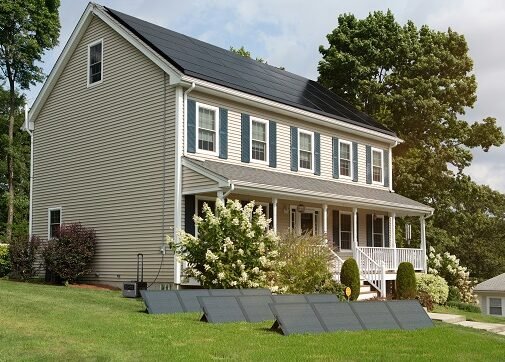
In the quest to create an eco-friendly home, the integration of renewable energy sources stands as a pivotal element. Among the most prevalent options are solar panels and wind turbines, both of which harness natural elements to generate power. Solar panels capture sunlight and convert it into electricity, while wind turbines utilize the kinetic energy from wind to produce power. This shift to renewable energy significantly reduces reliance on fossil fuels, thereby minimizing the carbon footprint associated with conventional energy consumption.
The advantages of incorporating renewable energy options into a home are manifold. Firstly, they offer long-term cost savings, as once the initial installation is complete, the ongoing energy costs can be drastically reduced. Moreover, many regions provide incentives such as tax credits, rebates, or grants for homeowners who invest in renewable energy technologies. These financial incentives encourage the adoption of sustainable practices and lessen the economic burden of transitioning to greener energy solutions.
Beyond financial benefits, employing renewable energy sources contributes to environmental conservation. By generating clean energy at home, homeowners can play an active role in combating climate change and reducing air pollution. Additionally, the energy produced can often be stored or sold back to the grid, creating a more self-sufficient home environment with the potential for additional income streams. Beyond individual benefits, a broader shift towards renewable energy within communities can lead to increased energy resilience and stability.
As homeowners consider transforming their properties into eco-friendly havens, the adoption of renewable energy presents a compelling pathway. Incorporating systems like solar panels and wind turbines not only aligns with sustainable values but also enhances economic viability through reduced energy costs and eligible incentives. Embracing these renewable technologies fosters a more sustainable future for both individuals and the planet.
Waste Reduction Strategies
Adopting effective waste reduction strategies is essential for creating a more sustainable household. The average home generates significant waste, much of which can be minimized through careful planning and environmentally conscious practices. Implementing these strategies helps not only in reducing the amount of waste sent to landfills but also in promoting a culture of sustainability.
One effective strategy is recycling, which involves processing materials such as paper, glass, metals, and plastics to create new products. To maximize the benefits of recycling, it is important to understand the recycling guidelines specific to your locality, as they can vary widely. Ensuring that recyclables are clean and free from contaminants will improve the quality of the materials that can be reused, thereby enhancing the overall recycling process.
Composting is another excellent method to minimize waste. This process involves converting organic waste, such as kitchen scraps and yard waste, into nutrient-rich compost. Not only does composting divert organic materials from landfills, but it also enriches the soil, making it an ideal solution for environmentally aware gardening enthusiasts. Several composting methods exist, including traditional compost bins, worm composting (vermicomposting), and bokashi composting, each allowing for flexible options depending on available space and personal preferences.
In addition to recycling and composting, households should strive to reduce single-use plastics, which contribute significantly to global waste. This can be achieved by opting for reusable bags, bottles, and containers, rather than their disposable counterparts. Encouraging family members to adopt these practices creates a collective commitment to waste reduction, fostering long-term habits that benefit both the environment and the home.
By integrating these waste reduction strategies into daily routines, households can significantly decrease their environmental impact. Each small step taken towards minimizing waste contributes to a larger goal of sustainability, making a meaningful difference in the fight against waste generation.
Building an Eco-Friendly Mindset
Embracing an eco-friendly mindset is essential for creating a sustainable future, both at home and in our communities. This perspective encourages individuals to take responsibility for their environmental impact and to make conscious choices that foster sustainability. By integrating eco-friendly practices into daily life, individuals and families can significantly contribute to the reduction of waste, energy consumption, and overall environmental degradation.
One of the first steps in building an eco-friendly mindset is understanding the importance of reducing, reusing, and recycling. These fundamental principles can guide everyday decisions, from mindful shopping to proper waste management. For instance, opting for reusable shopping bags instead of single-use plastic ones not only decreases plastic waste but also promotes a culture of sustainability. Similarly, understanding how to recycle materials correctly can help divert numerous items from landfills, ensuring they are processed and reused effectively.
Additionally, adopting energy-efficient practices is vital in promoting an eco-friendly lifestyle. Simple actions like replacing traditional light bulbs with LED options, unplugging devices when not in use, and using energy-efficient appliances can lead to substantial energy savings. These actions reduce carbon footprints and often lower utility bills, making them advantageous choices for both the environment and household budgets.
Another crucial aspect of fostering an eco-friendly mindset is encouraging sustainable transportation options. Walking, biking, carpooling, or using public transport reduces greenhouse gas emissions associated with vehicle use. Individuals can promote this practice within their communities by participating in or organizing carpool groups, biking events, or awareness campaigns that highlight the benefits of reduced vehicular reliance.
Finally, it is essential to involve others in this movement. Discussing sustainable practices with family and friends, advocating for local environmental initiatives, and participating in community clean-ups can inspire collective action towards eco-friendliness. By nurturing an eco-conscious mindset, individuals not only improve their own homes but also influence a broader cultural shift towards sustainability, thus contributing to a greener planet.